GLP-1 Medications and Muscle: What the Research Shows
As GLP-1 medications have become widely used for weight management, one question keeps coming up: are people losing muscle along with fat? The honest answer is that some lean mass is part of the weight lost, with estimates varying widely across studies, and that protein intake plus resistance training are the strategies researchers consistently recommend to protect it.
Key Points
- Lean mass is part of the weight lost on GLP-1s, with estimates ranging widely
- Newer research suggests muscle loss is not disproportionate to overall size loss
- Protein around 1.2 to 1.6 grams per kilogram of body weight daily is commonly recommended
- Resistance training two to three times a week helps preserve muscle
- Body composition tracking shows whether you are losing fat, muscle, or both
How Much Muscle Do People Lose on GLP-1 Medications?
Clinical trials of GLP-1 medications report that lean mass can account for a meaningful share of total weight lost, though estimates vary widely, from roughly 15 percent in some analyses to as much as 40 percent in others. The wide range reflects differences in study design, measurement methods and how much weight people lost.
Newer research has added nuance. A 2025 study found that while absolute muscle mass and strength decrease along with overall body size, relative muscle mass and strength can actually improve, meaning the loss is not disproportionate to the weight lost.
Why Muscle Matters During Weight Loss
Muscle is metabolically active tissue that supports strength, balance, mobility and daily energy. Losing too much of it during weight loss can make it harder to keep the weight off, because muscle helps determine how many calories your body uses at rest.
For adults in their 40s, 50s and 60s, protecting muscle is especially important, since natural age-related muscle loss is already underway. A weight loss plan that ignores muscle is a plan that sets you up for a weaker, slower version of yourself.
What Protects Muscle During GLP-1 Treatment?
Two strategies have the strongest evidence: adequate protein and resistance training. Researchers commonly recommend roughly 1.2 to 1.6 grams of protein per kilogram of body weight per day, distributed across meals, combined with resistance exercise two to three times a week with progressive overload.
Studies that combined higher protein intake with resistance training preserved more lean mass during calorie restriction than either approach alone. That is why a supervised program, not a prescription alone, tends to produce better body composition outcomes.
How Do You Know What You Are Losing?
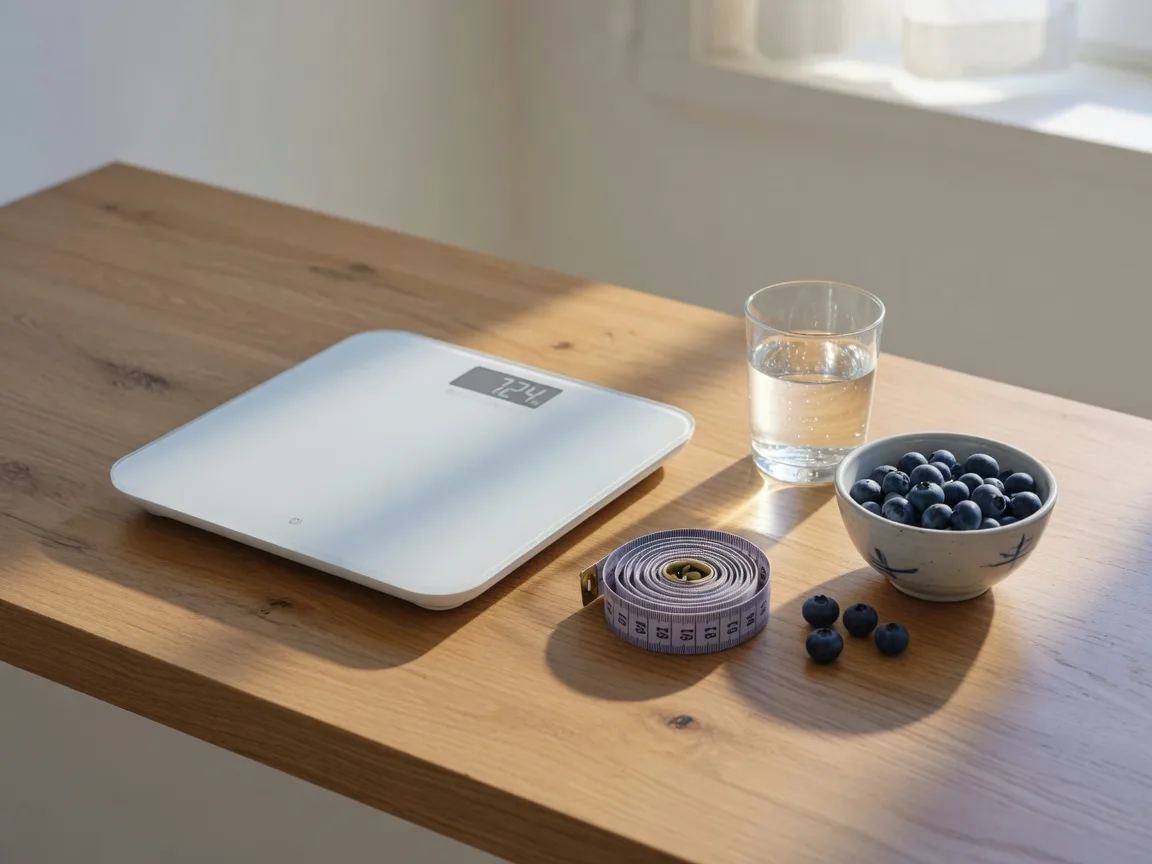
The scale cannot tell you whether you are losing fat, muscle, or water. Body composition measurement can. A Styku 3D body scan at Thrive EECP in Draper measures body fat percentage, lean mass and segmental measurements, so you and your care team can see what is actually changing and adjust protein, training and medication support accordingly.
If you are on a GLP-1 medication, or considering one, tracking body composition rather than just weight is one of the most useful things you can do.
Where to Get Supervised GLP-1 Support in Utah
Thrive EECP at 1111 East Draper Parkway, Draper, UT 84020 offers medically supervised weight management with weekly guidance and Styku body composition tracking, serving patients from Sandy, South Jordan, Riverton, Herriman, Lehi and across the South Salt Lake Valley and northern Utah County. Call 385-330-0358 or request a free consultation to talk through your options.
Sources & References
Independent, authoritative sources used in this article, linked so you can verify the details yourself. Information here is educational and not a substitute for medical advice.
Want to Explore This Further?
This article is part of the Thrive EECP Health Library in Draper, Utah. If the topic above sounds relevant to you, the next step is a free, no-pressure conversation about your goals.
About the Author
This article was authored and curated by Phil Kim for the Thrive EECP Health Library, with content guidance from the Thrive team. It is educational information, not medical advice, and does not create a patient relationship. Always consult a qualified healthcare professional about your health.