
Coronary Artery Disease & EECP
EECP and Coronary Artery Disease
Coronary artery disease (CAD) is the buildup of plaque in the arteries that supply the heart. EECP is a non-invasive therapy that may support blood flow and circulation as part of an overall heart-health plan, but it does not replace guideline-directed care such as medications, stents or bypass surgery.
- Educational
- Non-Invasive
- Guideline-Aware
- Utah's Only EECP Clinic
Overview
CAD and the Role of EECP
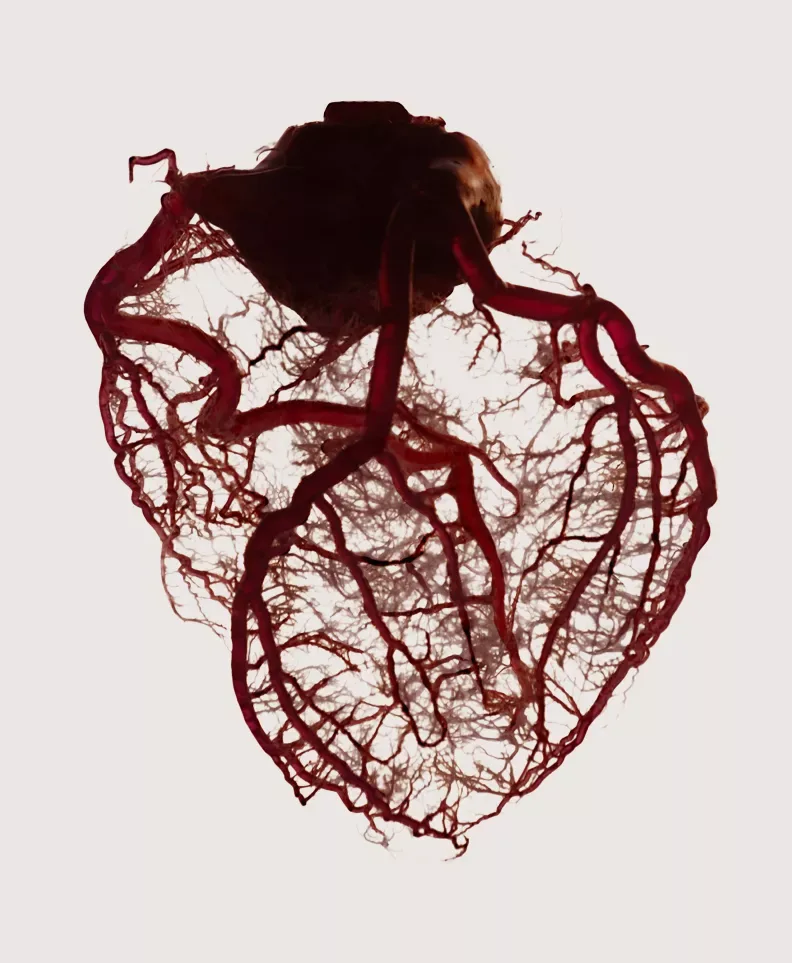
Coronary artery disease is the most common type of heart disease. Plaque narrows the arteries that feed the heart, which can lead to angina, shortness of breath and, in serious cases, heart attack. Management is guided by cardiologists using proven, guideline-directed therapies.
EECP enters the picture in specific situations, most often as a therapy considered for refractory angina. This page explains where EECP sits in CAD care so you can have an informed conversation with your doctor.
What Is Coronary Artery Disease?
The coronary arteries wrap around the heart and supply its muscle with blood. Over time, cholesterol and other substances can build up as plaque, narrowing the arteries. When blood flow is reduced, the heart may struggle during exertion, producing angina, or in severe cases, a blockage can cause a heart attack.
Risk factors include high blood pressure, high cholesterol, smoking, diabetes, family history and age. Lifestyle changes and medications are the foundation of CAD care, and procedures like angioplasty with stents or bypass surgery are used when appropriate.
Where EECP Fits in CAD Care
For people whose angina continues despite treatment and who are not good candidates for angioplasty or bypass, EECP is one option worth discussing. Medicare's National Coverage Determination 20.20 covers EECP for this specific situation: disabling chronic stable angina (Class III or IV) when a cardiologist or cardiothoracic surgeon determines the patient is not a good candidate for those procedures.
The American Heart Association and American College of Cardiology guidelines state that enhanced external counterpulsation may be considered for relief of refractory angina in patients with stable ischemic heart disease. In other words, it is a reasonable option for a defined group, not a first-line treatment for everyone with CAD.
EECP Does Not Replace Standard Care
EECP is never a substitute for medications, lifestyle changes or procedures your cardiologist recommends. It is an added, non-invasive therapy considered for symptom relief in specific cases.
If you are exploring EECP, bring your full history to an evaluation and keep your cardiologist in the loop. The best EECP plan is built inside your existing heart care, not around it.
Questions
Coronary Artery Disease FAQs
Straight answers to the questions patients ask us most. Something else on your mind? Give us a call or request a free consultation.
View All EECP FAQs Is EECP a treatment for coronary artery disease?
EECP is a non-invasive therapy studied for refractory angina, a symptom of CAD. It may support blood flow and circulation, and it is covered by Medicare only for qualifying patients with disabling chronic stable angina who are not good candidates for angioplasty or bypass. It does not replace standard CAD care.
What do AHA and ACC guidelines say about EECP?
The American Heart Association and American College of Cardiology guidelines say enhanced external counterpulsation may be considered for the relief of refractory angina in patients with stable ischemic heart disease. It is a conditional, case-by-case recommendation, not a blanket endorsement.
Can EECP unblock arteries?
No. EECP does not remove plaque or unblock arteries. It is designed to support blood flow and circulation during and after a course of sessions. Outcomes vary and are never guaranteed.
Who decides if EECP is appropriate for me?
Your cardiologist and the evaluating clinic team decide together, based on your history, imaging, medications and overall health. An EECP evaluation is the first step, and your cardiologist should be part of the conversation.
How many sessions are typical?
A common course is about 35 one-hour sessions spread over several weeks. Plans vary by individual situation and are set after evaluation.
Where is EECP available in Utah?
Thrive EECP at 1111 E Draper Pkwy in Draper is Utah's only EECP clinic, serving patients from across the state from Salt Lake City to St. George.
Start Here
Have Questions About EECP?
Book a free consultation to talk with our team, review the research together and find out whether EECP may be worth discussing with your doctor.
Visit the Clinic
A Convenient Draper Location
Thrive EECP
1111 E Draper Pkwy
Draper, UT 84020
By appointment. Call ahead and we will find a time that works for you.
Easily reached from Sandy, South Jordan, Riverton, Herriman, Cottonwood Heights, Midvale, Murray, Lehi, Alpine, Highland and American Fork, along with other South Salt Lake Valley and northern Utah County communities.
Get DirectionsSchedule Online
Book a Consultation
Reserve your appointment directly in the calendar below. Prefer to talk it through first? Call us at 385-330-0358 and our team will help you find a time that works for you.
385-330-0358
Prefer to book by phone
Thrive EECP
1111 E Draper Pkwy
Draper, UT 84020