
Health Library
Read, Learn, Then Decide
Plain-language articles on EECP, circulation, cardiovascular conditions and recovery, written for people who want real answers without the hype. Each article links to the educational page that matters for its topic.

Sitting All Day and Circulation: What Happens and What to Do About It
Long stretches of sitting can measurably slow lower-limb circulation, even in fit people. Here is what the research shows and the simple breaks that help.
Read article
Peripheral Neuropathy and Balance: Reducing Your Fall Risk
Nerve changes in the feet can quietly raise fall risk. Here is what research shows about neuropathy, balance, and the practical steps that help protect you.
Read article
Protein During Weight Loss: How Much You Need to Protect Muscle
Protein is the nutrient that protects muscle while you lose fat. Here is what current guidance says about how much adults, especially those over 50, need during weight loss.
Read article
Red Light Therapy for Skin: What the Research Shows
The strongest published evidence for light therapy on skin is in acne, and red and near-infrared light are also studied for collagen and signs of aging. Here is what the research actually shows.
Read article
GLP-1 Medications and Heart Health: What the SELECT Trial and 2026 Guidance Show
Some GLP-1 medications have shown cardiovascular benefits beyond weight loss. The SELECT trial found semaglutide cut major cardiovascular events by about 20%. Here is what the evidence shows.
Read article
Obesity and Metabolic Health in Utah: What the Latest State Data Shows
About 31% of Utah adults live with obesity, and nearly two-thirds of adults in the state are overweight or obese. Here is what the latest state data shows and what it means for you.
Read article
EECP and Blood Pressure: What the 2025 Research Shows
A 2025 meta-analysis found EECP was associated with a reduction in systolic blood pressure in the trials studied. Here is what that research shows and where EECP fits.
Read article
Blood Pressure Targets: What the 2025 AHA/ACC Guideline Means for You
In 2025, the American Heart Association and American College of Cardiology updated blood pressure guidance with a universal treatment goal below 130/80. Here is what changed and what it means.
Read article
Continuous Glucose Monitoring: What It Can and Can't Tell You
Continuous glucose monitors are increasingly popular in wellness. Here is what the current evidence says about CGM for people without diabetes, and how to use the information responsibly.
Read article
Walking for Heart Health and Circulation: What the Research Shows
Regular walking is one of the most evidence-backed ways to support heart health and circulation. Here is what the WHO, CDC, AHA and 2025 research actually show.
Read article
Heart-Healthy Eating: What the 2026 Dietary Guidance Says
The American Heart Association published updated dietary guidance for cardiovascular health in March 2026. Here is what it says, in plain language, and how it connects to weight management.
Read article
Cold Weather and Circulation: How Utah Winters Affect Your Body
Cold air constricts blood vessels, raises blood pressure and makes hearts work harder. Here is what the American Heart Association recommends for staying heart-healthy through Utah winters.
Read article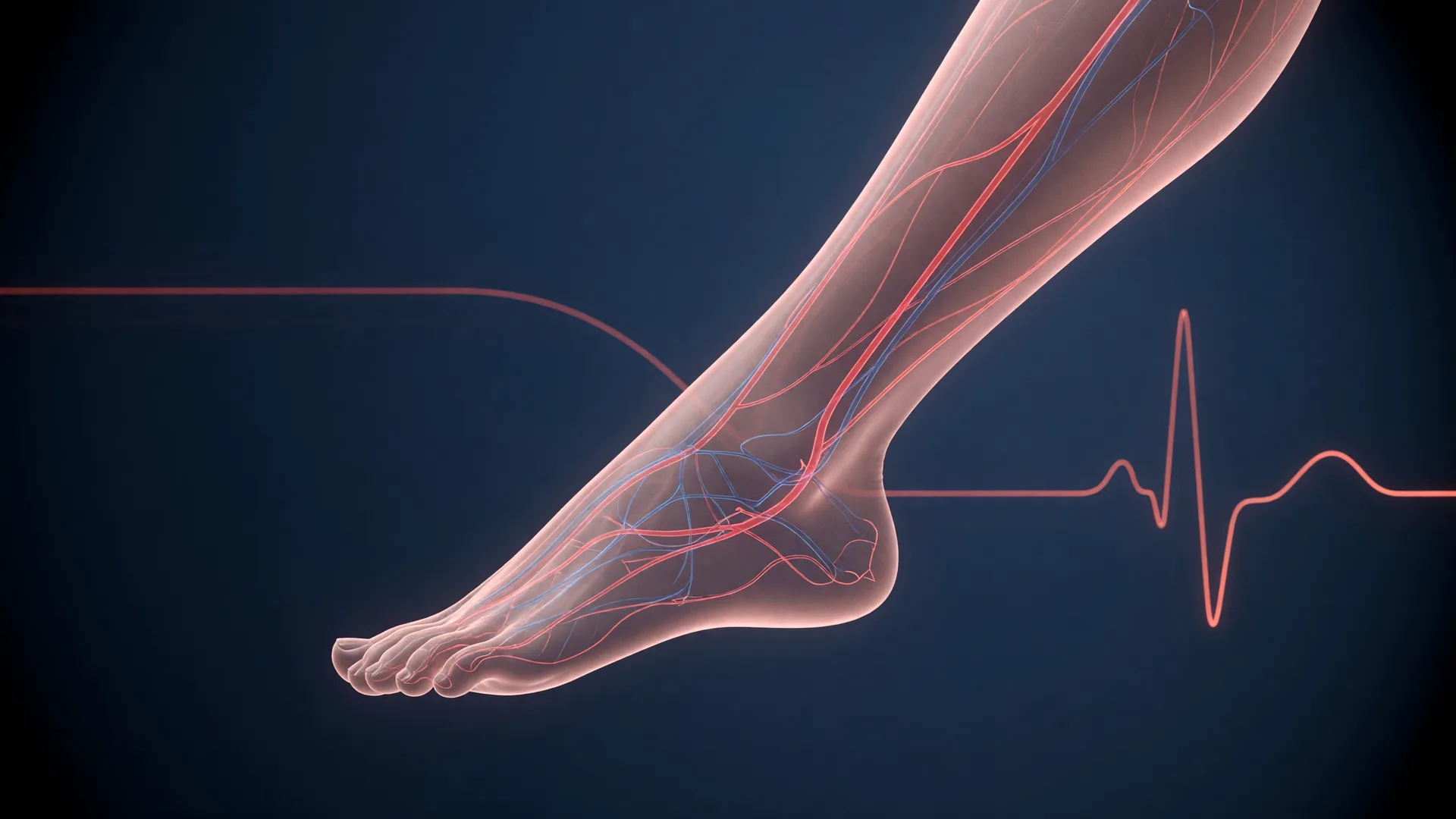
Peripheral Artery Disease (PAD): Symptoms, Risk Factors and Why Early Evaluation Matters
PAD affects an estimated 6.5 million Americans aged 40 and older. Leg pain with walking is the classic sign, but many people have no symptoms at all. Here is what to know.
Read article
Does Insurance Cover EECP Therapy? What Utah Patients Should Know
Medicare covers EECP under a narrow set of conditions, and most wellness therapies are self-pay. Here is how EECP and wellness services are typically paid for in Utah.
Read article
Muscle, Metabolism and Aging: Why Strength Matters After 40
Muscle mass declines roughly 3 to 8 percent per decade after age 30, which helps explain why metabolism slows with age. Strength training is the most effective countermeasure.
Read article
Blood Pressure and Circulation: What Research Says About Movement
Regular physical activity is one of the most effective ways to support healthy blood pressure and circulation. Here is what the CDC and American Heart Association report.
Read article
Menopause and Weight Management: What Research Says
Weight gain in midlife is common, but research shows aging, not menopause alone, drives most of it. A personalized plan with strength training and body composition tracking can help.
Read article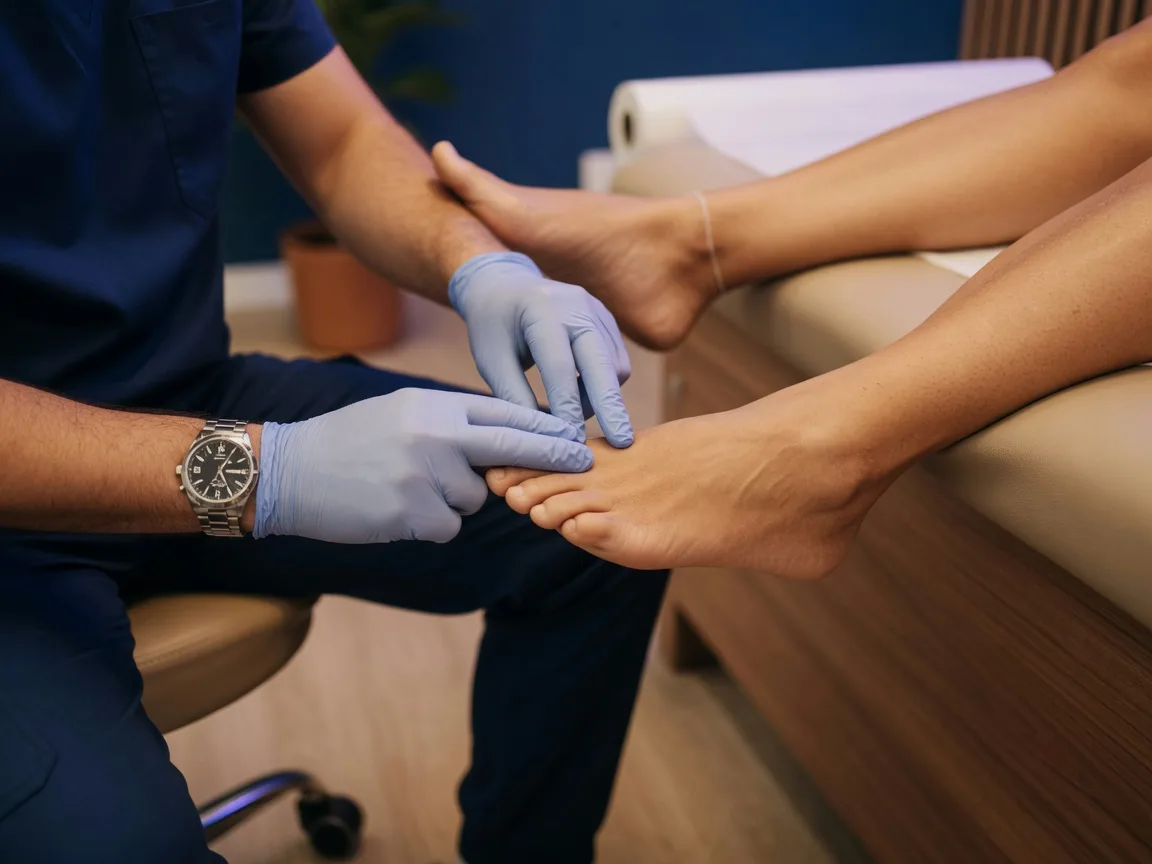
How Is Peripheral Neuropathy Treated? What Current Medical Guidance Says
Peripheral neuropathy treatment starts with finding the cause, then managing symptoms with medication, physical therapy and circulation support. Here is what current medical guidance, including the ADA 2026 Standards, recommends.
Read article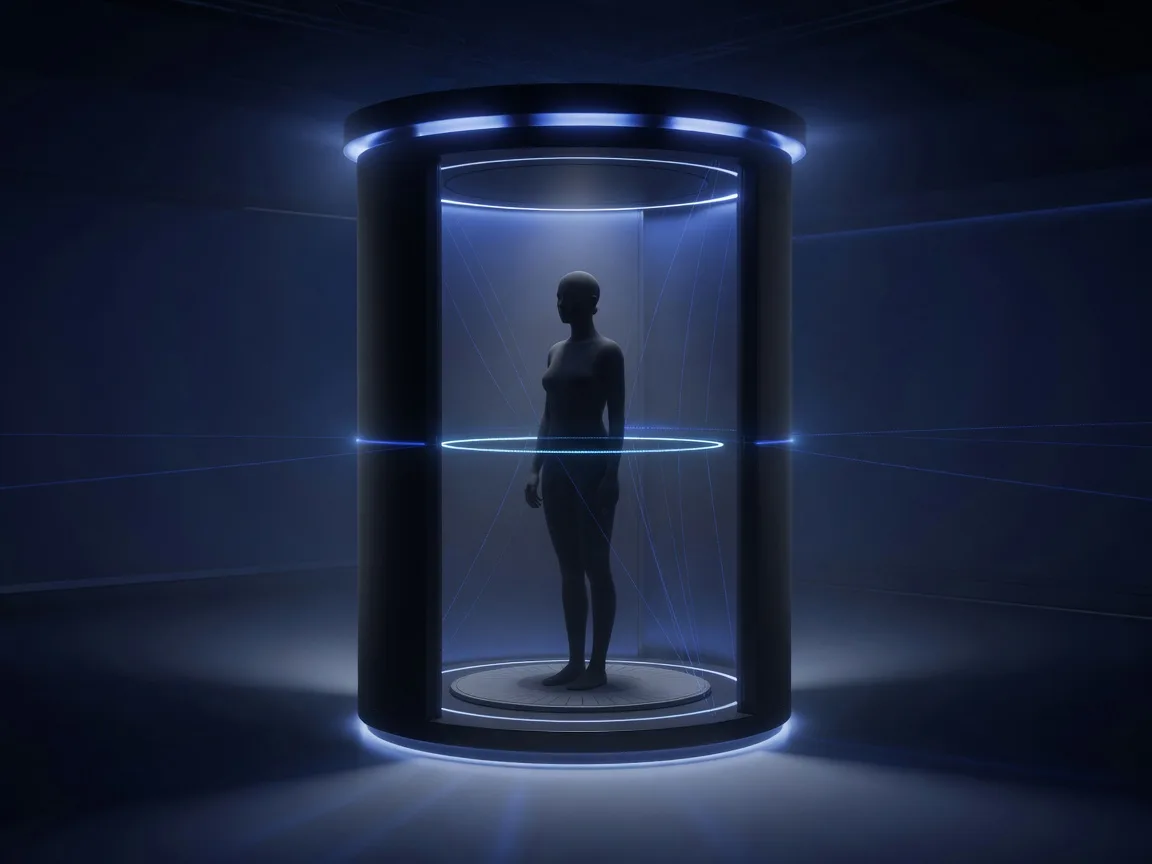
How Accurate Is a Styku 3D Body Scan? What the Validation Research Shows
Styku 3D scanning is a well-studied tool for tracking body composition. Here is what validation research shows about its accuracy compared with DEXA, including newer 2024-2026 findings, and what it is best used for.
Read article
What Happens When You Stop a GLP-1 Medication? What the Data Shows
Stopping a GLP-1 medication is a common question, and the data is clear that weight tends to return when treatment stops. Here is what the research shows and how to plan for the transition.
Read article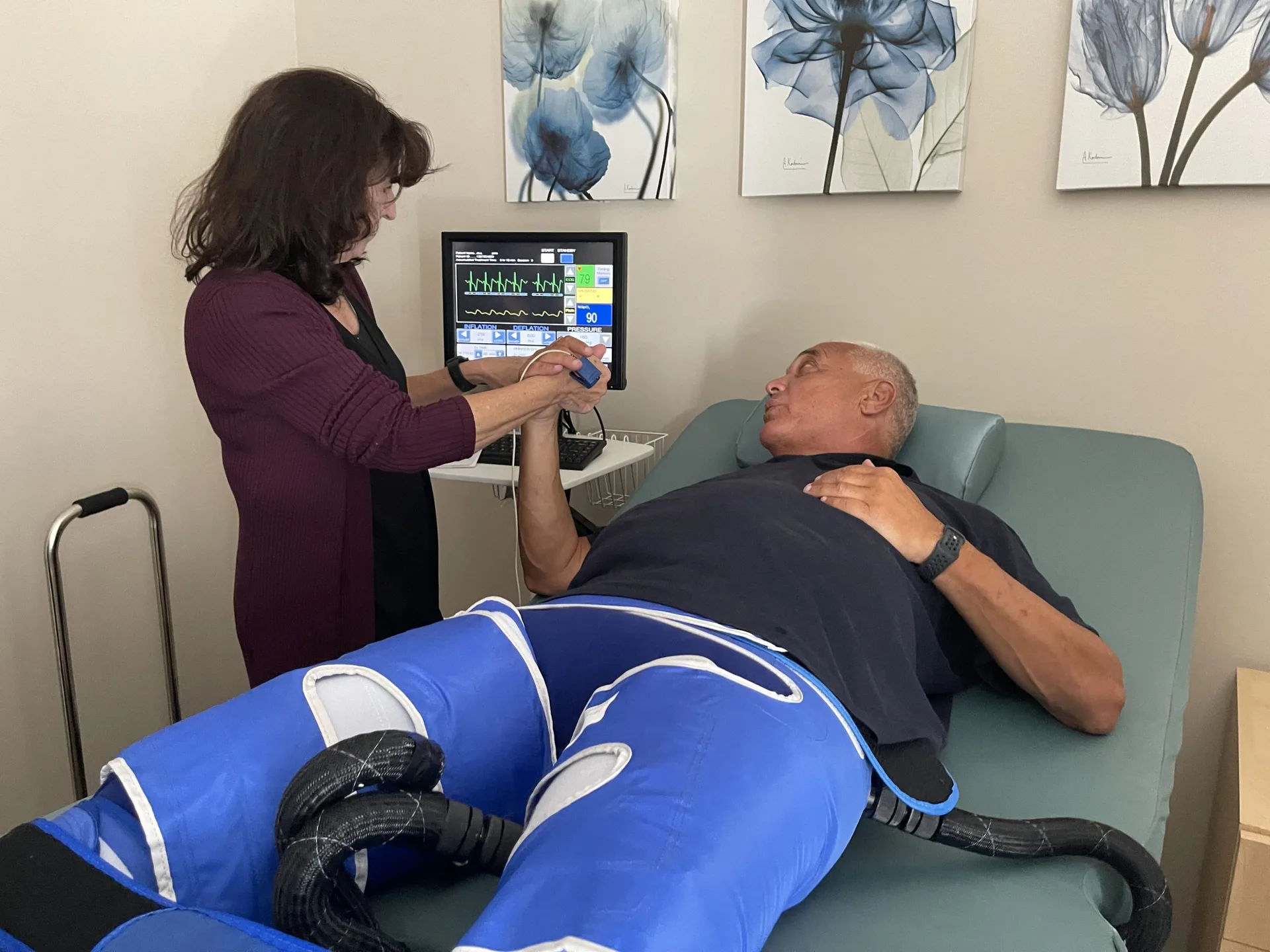
EECP Research in 2024-2026: What the Newest Studies Show
New systematic reviews and randomized trials from 2024 to 2026 add to the evidence base for Enhanced External Counterpulsation. Here is what the newest research shows, in plain language.
Read article
Energy and Circulation: Is Blood Flow Part of Your Fatigue Story?
Low energy has many causes, some of them in the cardiovascular system. Here is how circulation, oxygen delivery and fatigue connect, and when to talk to a professional.
Read article GLP-1 and Body Composition: Tracking What the Scale Misses
GLP-1 medications can produce significant weight loss, but the scale cannot show whether you are losing fat or muscle. Body composition tracking fills that gap.
Read article
What to Expect at Your First Visit to Thrive EECP
Your first visit to Thrive EECP is a conversation, not a commitment. Here is how a free consultation works, what to bring, and what may be included.
Read article
How to Choose a Weight Loss Program in Draper: What to Look For
Not all weight loss programs are equal. Research points to structure, ongoing professional contact and accountability. Here is what to look for in the Salt Lake Valley.
Read article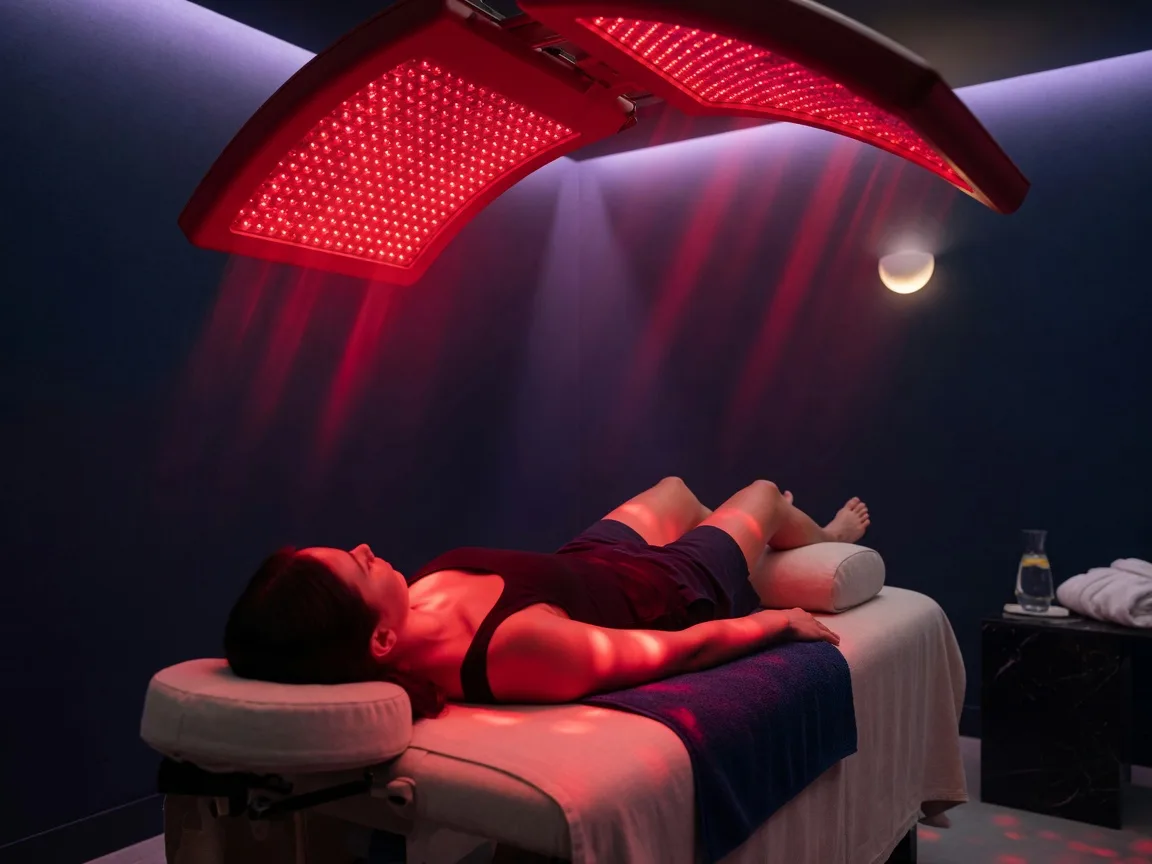
Red Light Therapy at Home vs. In-Clinic: What's the Difference?
Home devices and clinical red light systems differ in power output, treatment time and oversight. Here is what to weigh before choosing either.
Read article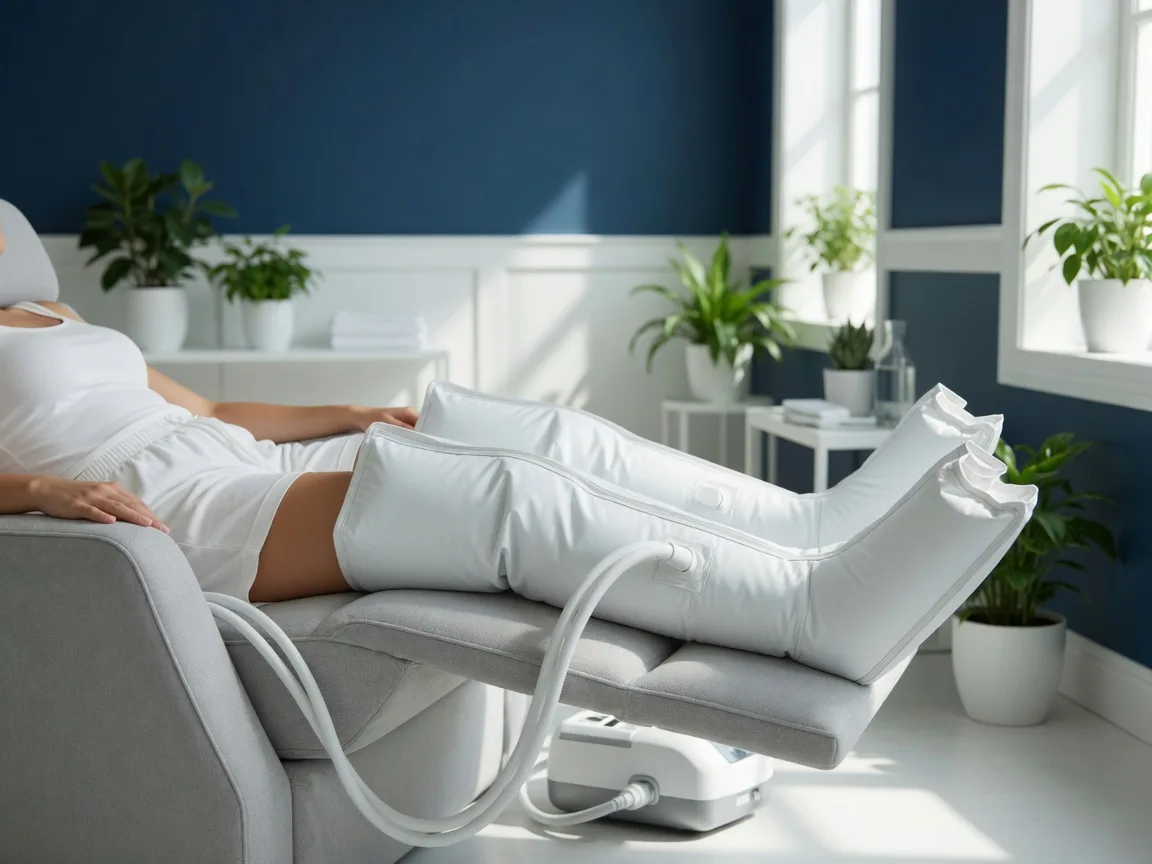
EECP vs. Compression Therapy: How Circulation Therapies Compare
EECP and compression therapy both use leg cuffs, but they do different things. Here is how the two compare, who each may suit, and why both exist at Thrive.
Read article
Recovery Strategies for Active Adults: What the Research Supports
Sleep, massage, compression, active recovery: here is what the research actually supports for recovery from exercise, and how to build a realistic routine.
Read article Neuropathy and Circulation: The Blood Flow Connection
Peripheral nerves depend on blood flow for oxygen and nutrients. Here is how circulation connects to neuropathy symptoms like numbness, tingling and burning, and what that means for care.
Read article
Hyperbaric Oxygen Therapy: FDA-Cleared Uses and What It Is Not
The FDA has cleared hyperbaric oxygen therapy for a specific list of conditions, from decompression sickness to problem wounds. For wellness and recovery goals it is used off-label, and it is not cleared for conditions like autism or cancer.
Read article Visceral Fat and Body Composition: Why Where You Carry Weight Matters
Visceral fat is the deep fat stored around your organs, and it is linked to higher cardiometabolic risk. It is invisible to the scale, which is why body composition scanning matters.
Read article Sleep and Weight Management: The Connection Worth Taking Seriously
Short sleep is consistently linked to higher appetite and higher body weight. Sleep affects the hormones that control hunger and fullness, making it a real part of any weight management plan.
Read article Cold Hands and Feet: When to Take Circulation Seriously
Cold hands and feet are often a normal response to cold, but persistent coldness, color changes, numbness or leg pain with walking can point to circulation problems such as peripheral artery disease.
Read article
GLP-1 Medications and Muscle: What the Research Shows
GLP-1 weight loss can include some loss of lean mass, with estimates varying widely across studies. Protein and resistance training are the strategies researchers consistently recommend to protect muscle.
Read article
How Many EECP Sessions Are Typical? What a Treatment Course Looks Like
A standard EECP course is 35 one-hour sessions, typically scheduled five days a week over about seven weeks. Here is what a full treatment course looks like and what to expect.
Read article Red Light Therapy: What the Research Really Shows
Red light therapy has real, well-studied effects on muscle recovery and joint comfort. Here is what the evidence supports and what it does not.
Read article Common Neuropathy Symptoms: What They Feel Like and When to Get Help
Numbness, tingling, burning and balance problems are the classic neuropathy symptoms. Here is what they feel like and when they deserve an evaluation.
Read article Health Optimization: What It Means and Where to Start
Health optimization is a proactive approach: using data, habits and supportive technology to feel, move and perform better, before a problem forces a change.
Read article
Healthy Aging: Strength, Circulation and Staying Active in Your 50s and 60s
Healthy aging in your 50s and 60s comes down to preserving muscle, supporting circulation and staying active. Here is the evidence-backed playbook.
Read article
Low Energy as an Adult? What May Be Behind It and What Can Help
Persistent low energy is usually multi-factor: sleep, nutrition, activity, stress, circulation and sometimes an underlying condition. Here is how to approach it.
Read article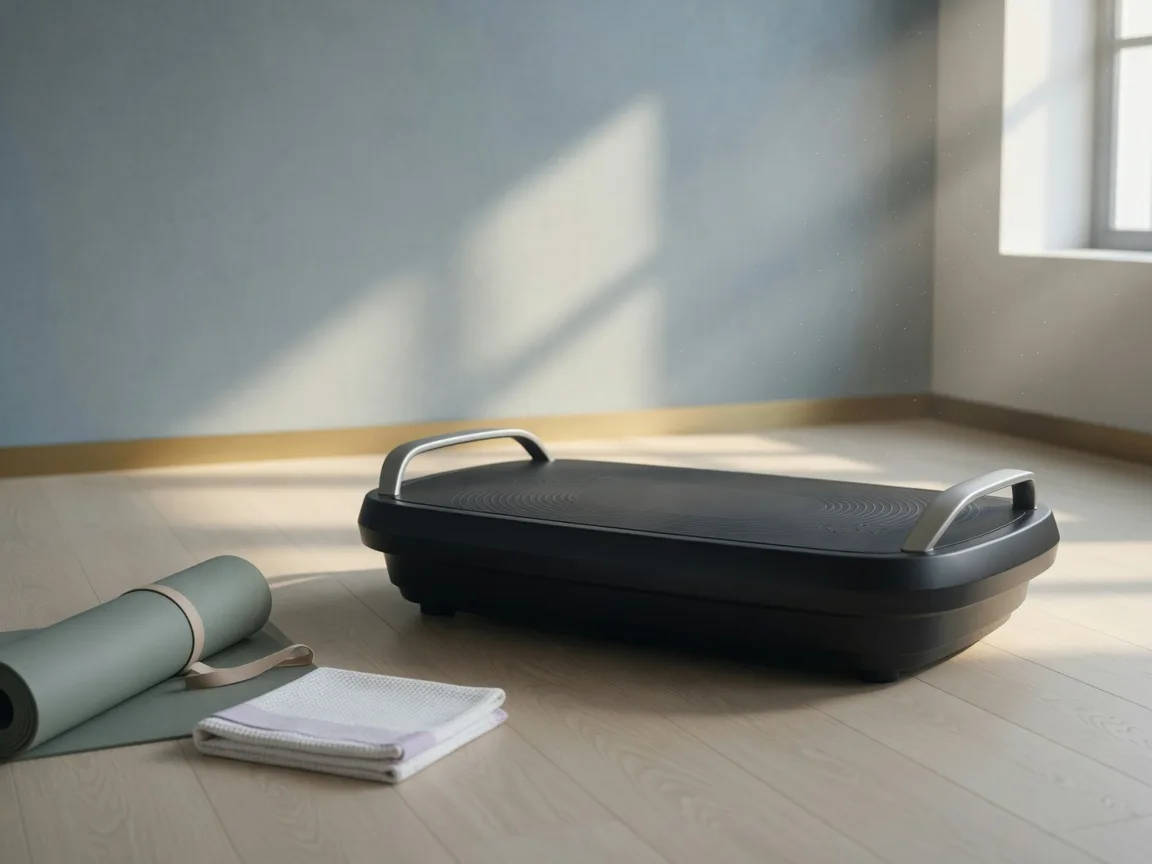
Vibration Therapy: What It Is and What the Research Shows
Whole-body vibration uses a platform to transmit gentle vibrations through the body. Research supports leg strength and balance; here is the full picture.
Read article Compression Therapy for Circulation and Recovery: What to Expect
Dynamic compression boots inflate in a rhythmic wave to support leg circulation and lymphatic flow. Here is what the research shows and what a session feels like.
Read article
What Is ExoPod Therapy? A Full-Body Wellness Session, Explained
The ExoPod is a full-body wellness pod that combines infrared heat, red and near-infrared light, vibration, negative ions and more in one relaxing session.
Read article The Research Behind EECP: What the Studies Actually Show
The evidence for EECP is led by randomized trials in stable angina and heart failure, including MUST-EECP and PEECH. Here is the research, honestly summarized.
Read article What Does a Styku 3D Body Scan Measure?
A Styku scan takes about 40 seconds and produces body fat percentage, lean mass and dozens of measurements. Here is exactly what it measures and why it beats the scale.
Read article Sustainable Weight Management: Strategies That Last
Extreme diets create short-term losses and long-term rebounds. Sustainable weight management is built on personalization, weekly accountability and habits you can actually repeat.
Read article How Metabolism Changes With Age: What the Research Actually Shows
A landmark 2021 study found metabolism stays surprisingly stable from age 20 to 60. Here is where the real metabolic slowdown comes from and what to do about it.
Read article GLP-1 Weight Loss Medications: What Utah Adults Should Know
GLP-1 medications like semaglutide and tirzepatide are approved for chronic weight management, but they work best inside a supervised plan. Here is what to know before you start.
Read article Circulation and Exercise Recovery: Why Blood Flow Is Your Best Friend
Recovery is where training happens. Good circulation is at the center of it, and active adults have more tools for it than ever.
Read article What Is Red Light Therapy?
Red light therapy uses specific wavelengths of LED light to support cellular energy and recovery. Here is how it works and what to expect.
Read article What Is Hyperbaric Oxygen Therapy (HBOT)?
Hyperbaric oxygen therapy puts you in a pressurized chamber to increase oxygen in your blood. Here is what it is, what a session is like and who it may help.
Read article What Causes Neuropathy Symptoms?
Numbness, tingling and burning in the hands or feet have many possible causes. Here is what neuropathy is and when to seek an evaluation.
Read article Tracking Progress Beyond the Scale: Better Ways to Measure Success
The scale can mislead you. Strength, energy, clothing fit, measurements and body scans paint a truer picture of progress.
Read article Body Composition vs. Body Weight: Why the Difference Matters
Two people can weigh the same and be built completely differently. Body composition separates fat from muscle, and that changes everything.
Read article What Is Medically Supervised Weight Loss?
Medically supervised weight loss pairs professional guidance with structure and accountability. Here is what it is and how it differs from dieting.
Read article Why Weight Loss Plateaus Happen (And What Actually Helps)
Plateaus are one of the most frustrating parts of weight management. Here is what causes them and why measurements matter more than the scale.
Read article Questions to Ask Before Starting EECP
Before starting any medical therapy, bring questions. Here are the ones worth asking your doctor and your EECP provider.
Read article EECP and Circulation: What Healthy Blood Flow Means for Your Body
Circulation delivers oxygen and nutrients to every tissue in your body. Here is why blood flow matters and how EECP is designed to support it.
Read article What Does an EECP Session Feel Like?
Patients describe EECP sessions as comfortable, even relaxing: lying down for an hour while soft cuffs pulse in rhythm with the heartbeat.
Read article How Does EECP Work? The Mechanics of Counterpulsation
EECP works by inflating cuffs around the lower body at exactly the right moment in your heartbeat. Here is the mechanism, explained clearly.
Read article What Is EECP Therapy? A Plain-Language Guide
EECP stands for Enhanced External Counterpulsation, a non-invasive circulation therapy. This guide explains what it is, how it works and who may want to discuss it with a doctor.
Read articleStart Here
Prefer a Conversation to an Article?
Request a free consultation and talk through your questions with our team. Articles inform; conversations clarify.
Schedule Online
Book a Consultation
Reserve your appointment directly in the calendar below. Prefer to talk it through first? Call us at 385-330-0358 and our team will help you find a time that works for you.
385-330-0358
Prefer to book by phone
Thrive EECP
1111 E Draper Pkwy
Draper, UT 84020