
Heart Failure & EECP
EECP and Heart Failure
Heart failure means your heart is not pumping blood as well as it should. EECP has been studied in people with mild to moderate heart failure, with randomized trials examining exercise capacity and quality of life. It is not a cure, and Medicare coverage for EECP is limited to qualifying refractory angina. Discuss it with your care team.
- Research-Backed
- Non-Invasive
- Not a Cure
- Utah's Only EECP Clinic
Overview
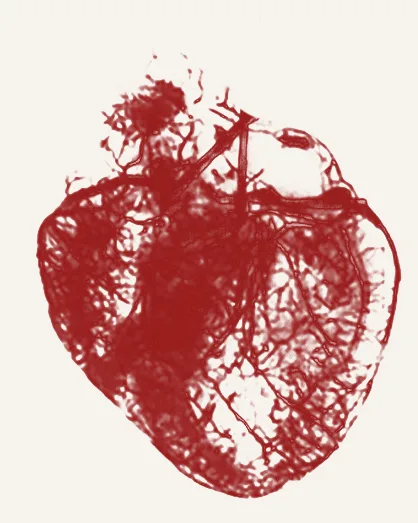
Heart Failure and Circulation Support
Heart failure is a long-term condition in which the heart does not pump blood as efficiently as it should. Symptoms can include fatigue, shortness of breath and reduced ability to exercise. Treatment is guided by a cardiologist and typically includes medications, lifestyle changes and sometimes devices or surgery.
EECP is one non-invasive option that researchers have studied in heart failure. This page explains what that research shows, who might consider it and where it fits, honestly and without overclaiming.
What Is Heart Failure?
Heart failure does not mean the heart stops. It means the heart muscle has become less effective at pumping blood, so the body may not get the oxygen and nutrients it needs. It can affect people differently: some feel breathless walking upstairs, others retain fluid or feel constantly tired.
Because heart failure is a serious medical condition, any discussion of additional therapies happens alongside your cardiologist's plan, never instead of it.
What Research on EECP and Heart Failure Shows
The PEECH trial, a randomized study published in the Journal of the American College of Cardiology in 2006, tested EECP in 187 patients with mild to moderate heart failure. At six months, a larger share of EECP patients increased their exercise time by 60 seconds or more compared with controls, and some quality-of-life measures improved.
These findings suggest EECP may support exercise capacity in some people with heart failure. They do not show EECP heals or reverses the condition. Individual results vary, and EECP is not appropriate for everyone with heart failure.
Who May Consider Discussing EECP
People with mild to moderate heart failure who want to talk about non-invasive options may raise EECP with their cardiologist. Because the heart is involved, medical clearance and an evaluation with a qualified professional are required.
EECP is not for everyone. Certain conditions, such as severe aortic insufficiency, uncontrolled arrhythmias or severe peripheral arterial disease, can make it inappropriate. Your healthcare team is the right place to make that call.
Medicare and Heart Failure
CMS's National Coverage Determination for external counterpulsation (NCD 20.20) addresses severe refractory angina, not heart failure. Medicare does not cover EECP for heart failure under that determination.
Coverage for any therapy depends on your plan, and the clinic will help you understand your options when you call. We never promise that any therapy is covered or that any outcome will occur.
Explore Related Topics
Questions
Heart Failure FAQs
Straight answers to the questions patients ask us most. Something else on your mind? Give us a call or request a free consultation.
View All EECP FAQs Does EECP cure heart failure?
No. EECP is not a cure for heart failure or any other condition. Research suggests it may support exercise capacity in some people with mild to moderate heart failure, but results vary and it never replaces a cardiologist's plan.
Is EECP covered by Medicare for heart failure?
Medicare's coverage determination for EECP (NCD 20.20) addresses qualifying refractory angina only. It does not cover EECP for heart failure. Coverage always depends on your plan, so call the clinic to verify your situation.
Who should not receive EECP?
EECP is not appropriate for everyone. Examples include people with severe aortic insufficiency, uncontrolled arrhythmias or certain other cardiovascular conditions. A medical evaluation and your cardiologist's guidance determine suitability.
What did the PEECH trial find?
PEECH randomized 187 patients with mild to moderate heart failure. At six months, more EECP patients increased exercise time by 60 seconds or more than controls, and some quality-of-life measures improved. Results are group averages, not guarantees for any individual.
How many EECP sessions are typical?
A common course is about 35 one-hour sessions over several weeks, though plans vary. Your provider will set expectations during the evaluation.
Where can I discuss EECP in Utah?
Thrive EECP at 1111 E Draper Pkwy in Draper is Utah's only EECP clinic, serving patients from across the state. Request a free consultation to talk through your situation.
Start Here
Have Questions About EECP?
Book a free consultation to talk with our team, review the research together and find out whether EECP may be worth discussing with your doctor.
Visit the Clinic
A Convenient Draper Location
Thrive EECP
1111 E Draper Pkwy
Draper, UT 84020
By appointment. Call ahead and we will find a time that works for you.
Easily reached from Sandy, South Jordan, Riverton, Herriman, Cottonwood Heights, Midvale, Murray, Lehi, Alpine, Highland and American Fork, along with other South Salt Lake Valley and northern Utah County communities.
Get DirectionsSchedule Online
Book a Consultation
Reserve your appointment directly in the calendar below. Prefer to talk it through first? Call us at 385-330-0358 and our team will help you find a time that works for you.
385-330-0358
Prefer to book by phone
Thrive EECP
1111 E Draper Pkwy
Draper, UT 84020