
An Honest Comparison
EECP vs Stents & Bypass Surgery
Stents and bypass surgery physically restore blood flow through the coronary arteries. EECP is an external, non-invasive therapy that supports blood flow during each heartbeat. Medicare covers EECP for patients with severe refractory angina who are not good candidates for angioplasty or bypass. This comparison is educational; the decision belongs to you and your cardiologist.
- Educational
- No Overclaiming
- Guideline-Aware
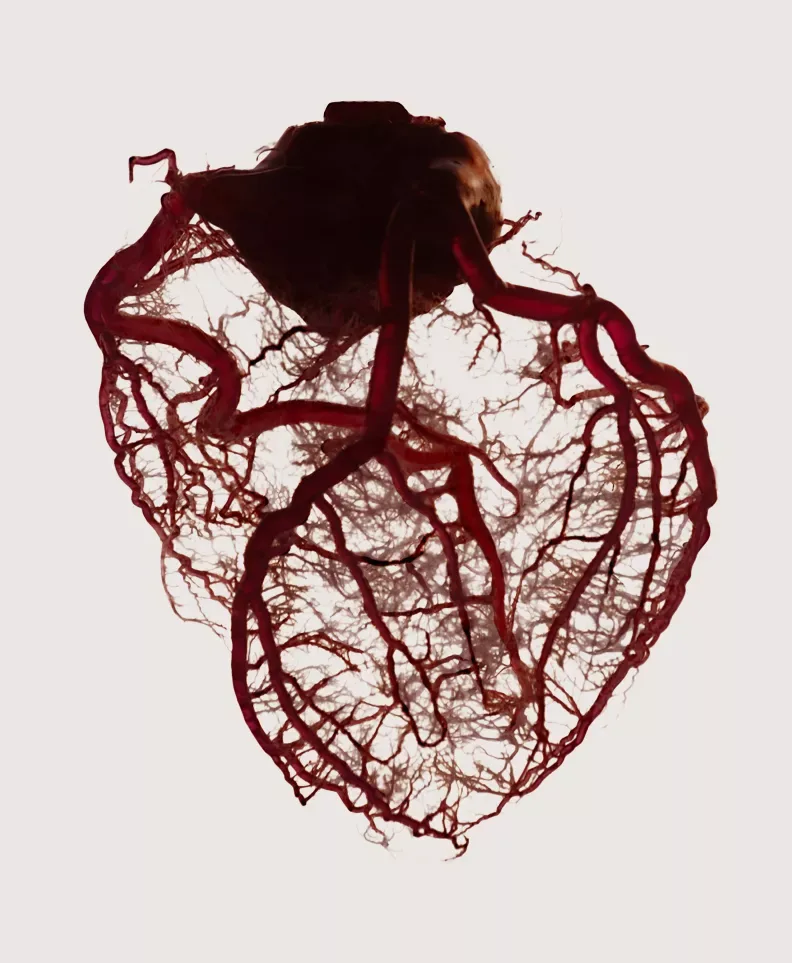
The Big Picture
Different Tools for Different Situations
People often ask whether EECP can replace stents or bypass surgery, and the honest answer is no, not in general. Each approach has a specific role, and cardiologists match the tool to the patient. Understanding the difference helps you have a better conversation with your care team.
EECP
- External, non-invasive therapy using soft cuffs
- Guided by your own heartbeat, sessions of about one hour
- A course of about 35 sessions, no recovery time
- FDA-cleared; AHA/ACC: may be considered for refractory angina
- Medicare covers it for qualifying patients who are not good candidates for angioplasty or bypass
Stents & Bypass Surgery
- Invasive procedures that reopen or reroute coronary arteries
- Performed in a hospital by an interventional cardiologist or cardiothoracic surgeon
- One procedure followed by a recovery period and follow-up
- Guideline-directed first-line options for many patients with significant blockages
- Appropriate candidates can benefit from restored blood flow; risks include procedural complications
This comparison is simplified for education. Stents and bypass have their own evidence, risks and recovery paths. The right choice for any individual is made with a cardiologist or cardiothoracic surgeon, never from a website.
Evidence
What the Evidence Shows, Honestly
EECP's strongest evidence comes from the MUST-EECP trial, a randomized sham-controlled study in patients with stable angina, which found significant reductions in anginal episodes and nitroglycerin use and improved exercise tolerance. The PEECH trial examined EECP in heart failure, finding improvements in exercise time for some patients.
The American Heart Association and American College of Cardiology guidelines state that enhanced external counterpulsation may be considered for relief of refractory angina in patients with stable ischemic heart disease. There are no large head-to-head trials of EECP versus stents or bypass, because the therapies serve different patient groups.
Read the EECP Research LibraryWhy Medicare Covers EECP Here
CMS built National Coverage Determination 20.20 around the patient group where EECP is most useful: people with disabling chronic stable angina who are not good candidates for angioplasty or bypass surgery. That framing is honest about EECP's role: it is the non-invasive option considered when surgery is not the right path.
Read CMS NCD 20.20Questions
Comparison FAQs
Straight answers to the questions patients ask us most. Something else on your mind? Give us a call or request a free consultation.
View All EECP FAQs Does EECP replace stents or bypass surgery?
No. Stents and bypass surgery physically restore blood flow through the coronary arteries. EECP is an external, non-invasive therapy that supports blood flow during each heartbeat. Medicare covers EECP specifically for patients who are not good candidates for those procedures.
Can I have EECP after stents or bypass surgery?
Possibly, if your cardiologist determines it is safe and appropriate for you. EECP is sometimes considered for people whose angina persists despite prior procedures. Every decision starts with your cardiologist's guidance and an evaluation.
Is EECP an alternative to surgery?
For a specific group, yes: Medicare covers EECP for patients with disabling chronic stable angina who are not good candidates for angioplasty or bypass. For people who are good candidates for revascularization, surgery remains the guideline-directed option to discuss with their cardiologist.
How many EECP sessions are typical?
A common course is about 35 one-hour sessions spread over several weeks. A stent or bypass is a single procedure with its own recovery; EECP is a course of treatments with no downtime.
What does the evidence say about EECP versus surgery?
The strongest EECP evidence comes from randomized trials like MUST-EECP, which studied patients whose angina was not fully controlled. AHA/ACC guidelines say EECP may be considered for relief of refractory angina. Direct head-to-head trials against stents or bypass do not exist, and the therapies are used for different patient groups.
Where can I get EECP in Utah?
Thrive EECP at 1111 E Draper Pkwy in Draper is Utah's only EECP clinic, serving patients from across the state. Request a free consultation to discuss your situation.
Start Here
Have Questions About EECP?
Book a free consultation to talk with our team, review the research together and find out whether EECP may be worth discussing with your doctor.
Visit the Clinic
A Convenient Draper Location
Thrive EECP
1111 E Draper Pkwy
Draper, UT 84020
By appointment. Call ahead and we will find a time that works for you.
Easily reached from Sandy, South Jordan, Riverton, Herriman, Cottonwood Heights, Midvale, Murray, Lehi, Alpine, Highland and American Fork, along with other South Salt Lake Valley and northern Utah County communities.
Get DirectionsSchedule Online
Book a Consultation
Reserve your appointment directly in the calendar below. Prefer to talk it through first? Call us at 385-330-0358 and our team will help you find a time that works for you.
385-330-0358
Prefer to book by phone
Thrive EECP
1111 E Draper Pkwy
Draper, UT 84020