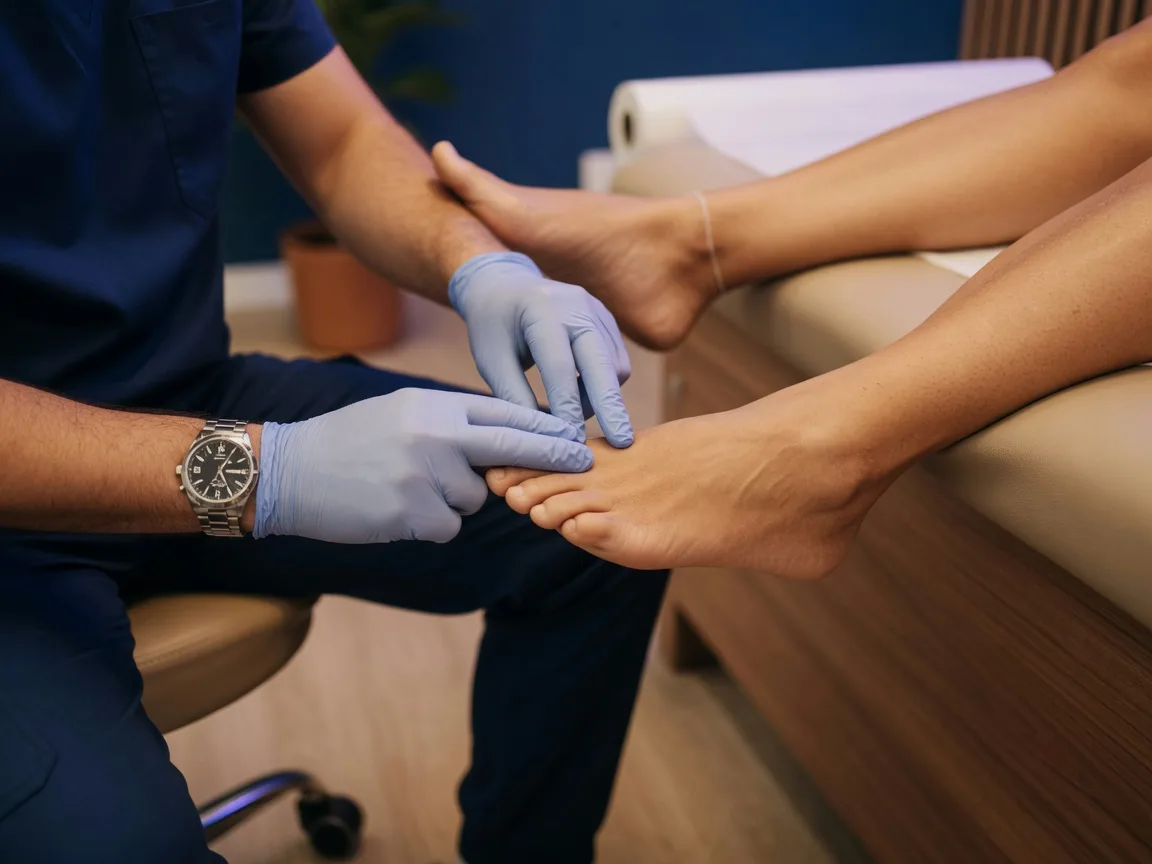
Peripheral Neuropathy and Balance: Reducing Your Fall Risk
Yes, peripheral neuropathy is linked to a higher risk of falling. Research shows that people with a neurologic condition such as peripheral neuropathy are roughly three times more likely to fall, largely because nerve changes in the feet impair the sensation and quick reactions that keep you steady.
Key Points
- Neuropathy can impair foot sensation and balance
- Fall risk roughly triples with a neurologic condition like neuropathy
- Balance and strength exercise are the best-supported protections
- Home safety changes and supportive footwear help
- An evaluation can clarify whether balance changes deserve attention
How Neuropathy Affects Balance
Balance depends on constant feedback from your feet about the ground beneath you. Peripheral neuropathy can dull that feedback, a loss of sensation called proprioception, and it can weaken the small muscles that make quick corrections.
A 2024 study in the Journal of the Peripheral Nervous System found that neuropathy specifically impairs stepping, the rapid foot-placement reaction that prevents a fall, even when age, weight and other risk factors are similar. In other words, neuropathy does not just make the ground feel different, it can make recovery from a slip slower.
Who Is at Risk
Falls affect about one in three adults over 65 each year, and that risk rises when a neurologic condition is present. Diabetic peripheral neuropathy, one of the most common forms, has been tied to increased fall risk in multiple studies, with balance confidence itself linked to how likely someone is to fall.
Numbness, tingling, burning or weakness in the feet, or a new sense of unsteadiness, are signs worth taking seriously rather than writing off as just getting older.
What Research Shows Helps
The strongest evidence points to structured exercise. Recent systematic reviews and meta-analyses found that balance training, multi-component programs and lower-limb strengthening reduce fall risk in older adults with neuropathy, improving postural control and gait speed. Tai chi has also been shown to improve steadiness.
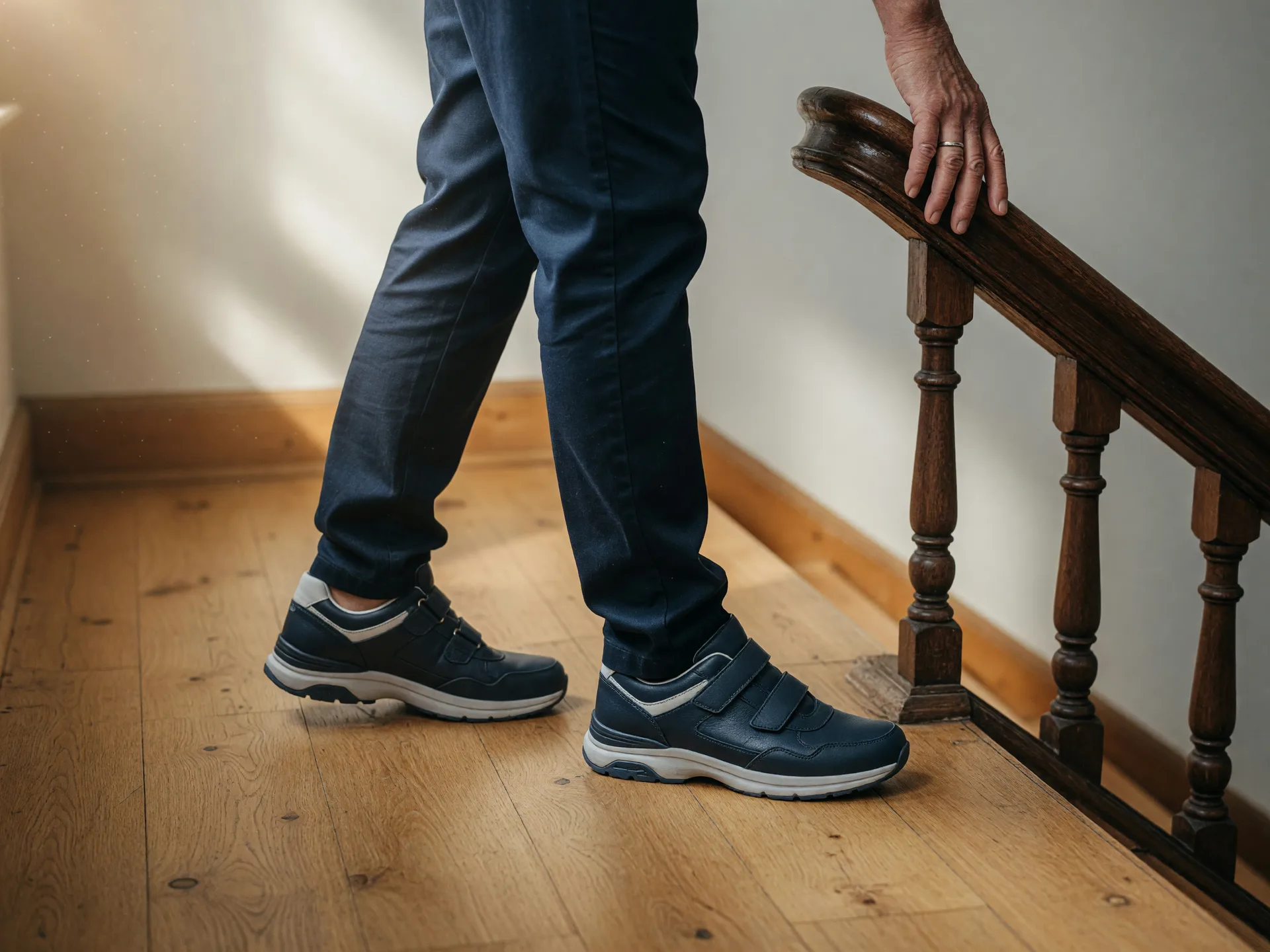
Beyond exercise, practical protections matter: clearing clutter and securing rugs, adding grab bars and good lighting, wearing supportive shoes, and having your feet checked regularly. Simple changes can be the difference between a close call and an injury.
Getting a Clear Picture in Draper
Thrive EECP in Draper offers a personalized approach to neuropathy that begins with a consultation and evaluation, considers circulation as part of the picture, and builds an individualized treatment plan. Thrive does not claim to cure neuropathy, but it does take symptoms seriously and address them in a supportive, judgment-free environment.
If balance has started to feel less certain, a free consultation is a low-pressure first step for adults across Draper, Sandy, South Jordan and the surrounding South Salt Lake Valley and northern Utah County communities.
Sources & References
Independent, authoritative sources used in this article, linked so you can verify the details yourself. Information here is educational and not a substitute for medical advice.
- Peripheral neuropathy as an independent risk factor for falls in the elderly: a case-cohort study (2024)
- Effectiveness of exercise types in reducing fall risk in older adults with diabetic peripheral neuropathy: systematic review and meta-analysis (2025)
- Foundation for Peripheral Neuropathy: Maintaining Balance
Want to Explore This Further?
This article is part of the Thrive EECP Health Library in Draper, Utah. If the topic above sounds relevant to you, the next step is a free, no-pressure conversation about your goals.
About the Author
This article was authored and curated by Phil Kim for the Thrive EECP Health Library, with content guidance from the Thrive team. It is educational information, not medical advice, and does not create a patient relationship. Always consult a qualified healthcare professional about your health.