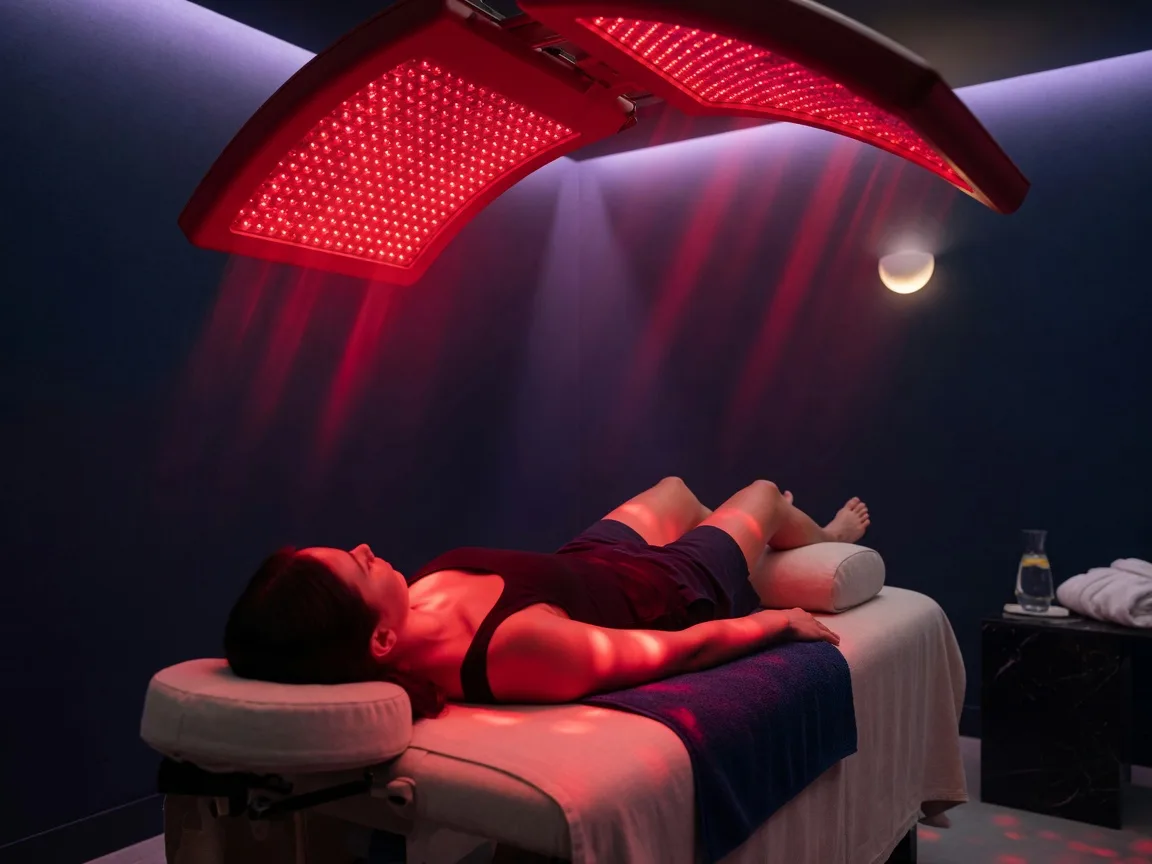
Recovery Strategies for Active Adults: What the Research Supports
Recovery is where training pays off. For active adults in their 30s, 40s, 50s and beyond, the evidence points to a few strategies that consistently help: sleep first, then massage, compression and light movement. Here is what the research supports and how to turn it into a realistic routine.
Key Points
- Sleep is the foundation of muscle recovery, with 7 to 9 hours recommended for active adults
- Massage has the strongest evidence for reducing soreness and perceived fatigue
- Compression garments show modest but consistent benefits for soreness
- Light active recovery on rest days supports blood flow without adding fatigue
- No single strategy guarantees faster recovery; consistency matters more
Start With Sleep
Research consistently links sleep to muscle recovery. Studies have found that even a single night of sleep deprivation can reduce the muscle protein synthesis that underpins recovery, and chronic short sleep is described as a stressor that works against recovery and overall health.
For active adults the guidance is consistent: aim for 7 to 9 hours of quality sleep per night and treat sleep as part of training, not a luxury.
Massage and Compression: The Best-Supported Aids
In a large 2018 meta-analysis of 99 studies, massage was the single most effective method studied for reducing delayed-onset muscle soreness and perceived fatigue, and it performed among the best for lowering inflammation.
Compression garments also reduced soreness and fatigue in the same analysis, with effects strongest for resistance exercise at later recovery time points. Pneumatic compression, the kind used in dynamic compression therapy, applies the same principle with an automated, rhythmic wave.
Active Recovery: Keep It Gentle
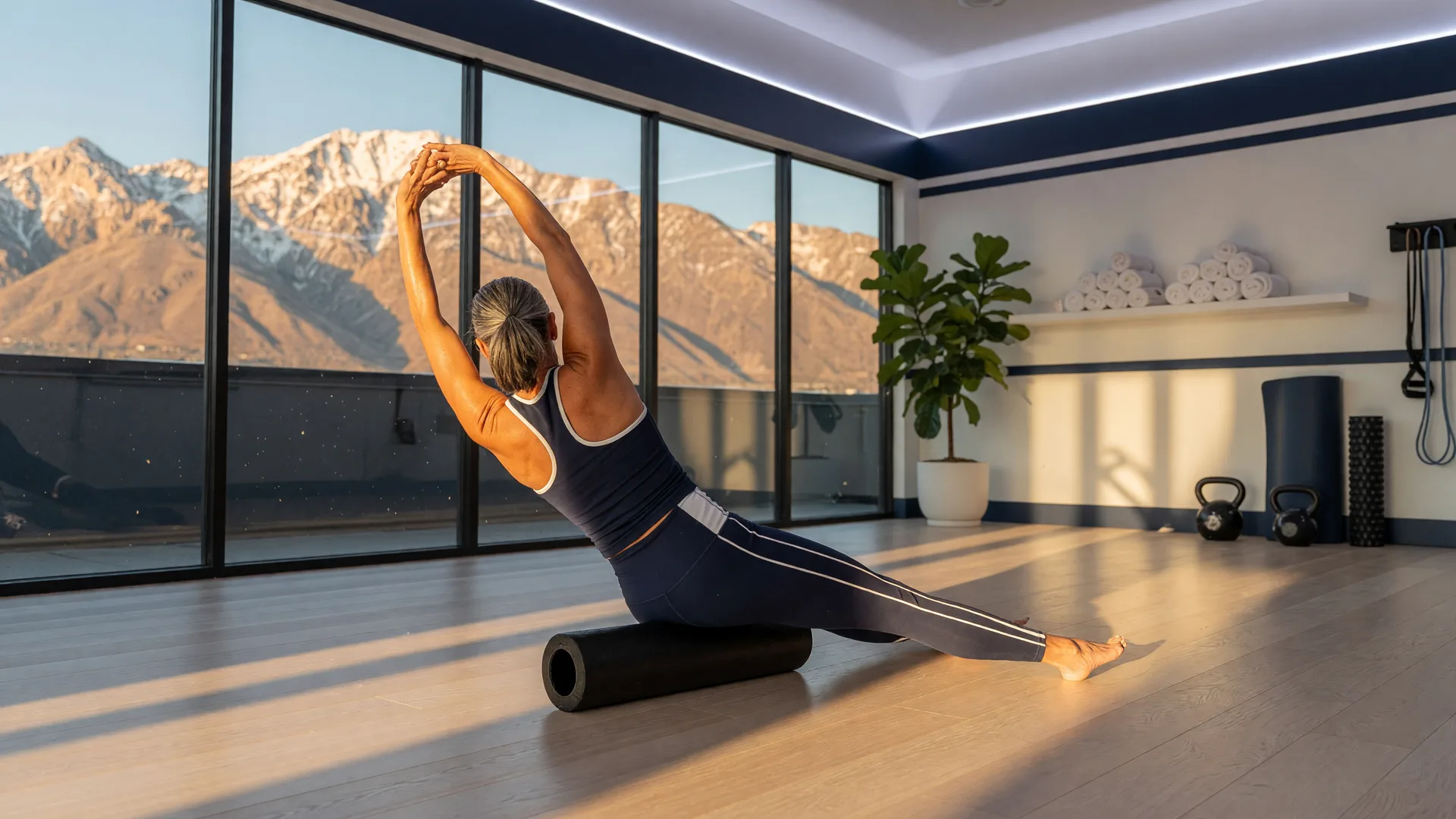
Light movement, such as a short walk or easy cycling, helps the body return toward normal after hard exercise and supports blood flow without piling on fatigue.
Rest days still matter: muscle groups typically need 48 to 72 hours before being trained hard again, and light movement on rest days keeps circulation moving while recovery happens.
An Honest Caveat
Recovery techniques most consistently reduce how sore and fatigued you feel, rather than measurably accelerating tissue repair, and no single strategy shows a consistent performance benefit across every study.
The practical takeaway: sleep well, move lightly, use massage or compression when soreness is high, and build a routine you can actually repeat. Individual results vary, and consistent recovery beats any single trick.
Sources & References
Independent, authoritative sources used in this article, linked so you can verify the details yourself. Information here is educational and not a substitute for medical advice.
Want to Explore This Further?
This article is part of the Thrive EECP Health Library in Draper, Utah. If the topic above sounds relevant to you, the next step is a free, no-pressure conversation about your goals.
About the Author
This article was authored and curated by Phil Kim for the Thrive EECP Health Library, with content guidance from the Thrive team. It is educational information, not medical advice, and does not create a patient relationship. Always consult a qualified healthcare professional about your health.