Red Light Therapy for Skin: What the Research Shows
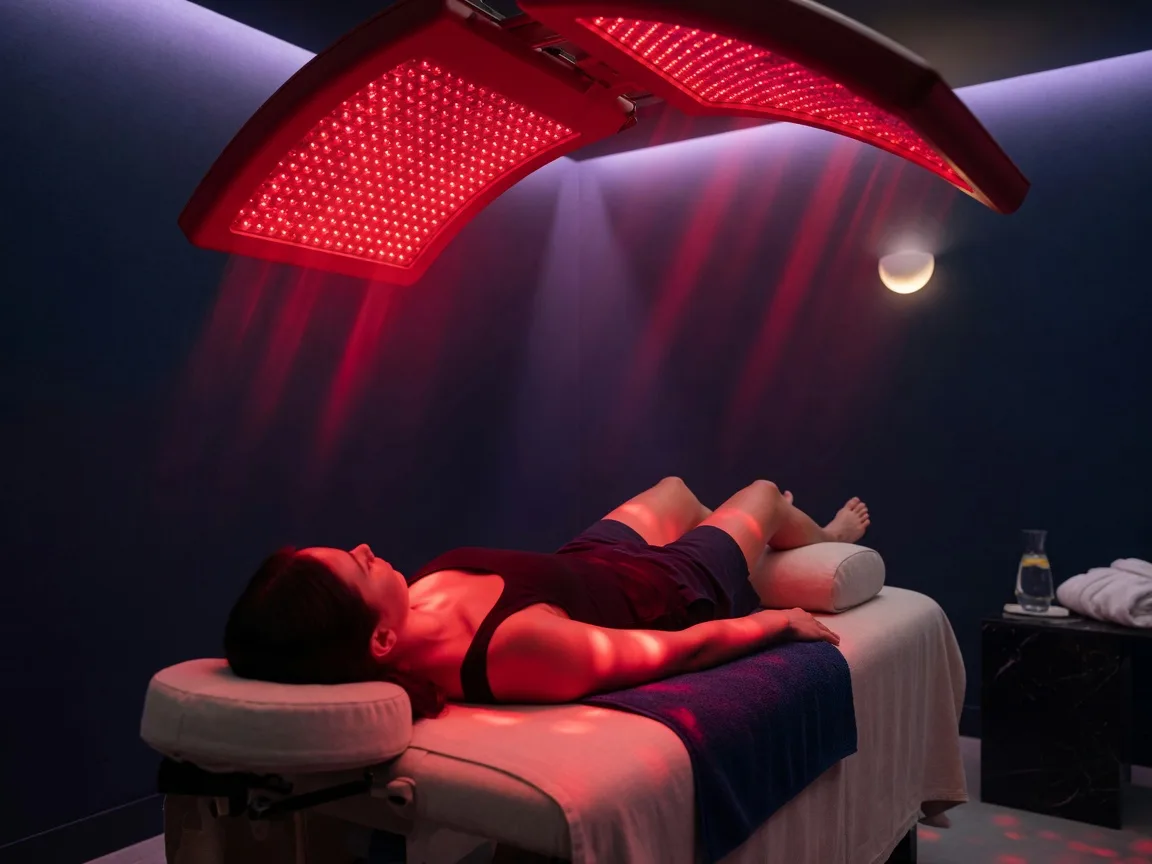
If you have looked into red light therapy for skin, you have probably seen bold claims. The direct answer from the published research: the strongest evidence is for acne, and red and near-infrared light are also studied for collagen and signs of aging, with more variable results. Here is what the research shows in plain language.
Key Points
- A 2025 meta-analysis in JAMA Dermatology found at-home red and blue LED devices significantly reduced acne lesions in mild-to-moderate acne
- Red and near-infrared light stimulate collagen synthesis in skin studies
- Evidence for anti-aging and skin rejuvenation is promising but more variable than for acne
- Effects build over repeated sessions over weeks, not a single treatment
- Clinic-grade devices deliver calibrated, consistent doses
What the Research Shows for Skin
Light therapy for skin falls into two research buckets: acne and skin aging. The acne evidence is the strongest. A March 2025 systematic review and meta-analysis in JAMA Dermatology pooled six studies and concluded that at-home red and/or blue LED devices significantly reduce acne lesions in mild-to-moderate acne, with a favorable safety profile.
A 2025 narrative review of 59 studies covering nearly 1,900 patients reached a similar conclusion: the best evidence for red LED light is in acne and chronic inflammatory skin conditions, with treatment reported as effective and well tolerated and no serious adverse events.
Collagen and Signs of Aging
Red and near-infrared light penetrate the skin and are absorbed by cells, and dermatology reviews consistently find that these wavelengths stimulate collagen synthesis. That is the biological basis for claims about firmer, smoother-looking skin.
The anti-aging evidence is more variable than the acne evidence. Outcomes depend heavily on wavelength, dose, treatment frequency and consistency, which is why research reviews emphasize that parameters matter. Realistic expectations are important: effects are gradual and cumulative, and light therapy is an adjunct, not a replacement for a good skincare routine or medical care.
Home Devices Versus Clinic-Grade Light
The 2025 acne meta-analysis studied at-home devices, which is useful because it shows consumer devices can have an effect in the right condition and dose. But home devices generally deliver lower power than clinic-grade panels, and dosing is harder to control.
A clinic can calibrate wavelength, intensity and session schedule to your goals and skin, and pair light therapy with other recovery and wellness treatments. That consistency is one of the main differences between an occasional home session and a structured in-clinic program.
Red Light Therapy in Draper, Utah
Thrive EECP in Draper offers red light therapy as part of individualized wellness and recovery programs. The clinic is at 1111 East Draper Parkway, Draper, UT 84020, serving patients from Sandy, South Jordan, Riverton, Herriman, Cottonwood Heights, Midvale, Murray, Lehi, Alpine, Highland, American Fork and the surrounding South Salt Lake Valley and northern Utah County.
To talk through whether red light therapy fits your goals, request a free consultation or call 385-330-0358.
Sources & References
Independent, authoritative sources used in this article, linked so you can verify the details yourself. Information here is educational and not a substitute for medical advice.
Want to Explore This Further?
This article is part of the Thrive EECP Health Library in Draper, Utah. If the topic above sounds relevant to you, the next step is a free, no-pressure conversation about your goals.
About the Author
This article was authored and curated by Phil Kim for the Thrive EECP Health Library, with content guidance from the Thrive team. It is educational information, not medical advice, and does not create a patient relationship. Always consult a qualified healthcare professional about your health.