Blood Pressure and Circulation: What Research Says About Movement
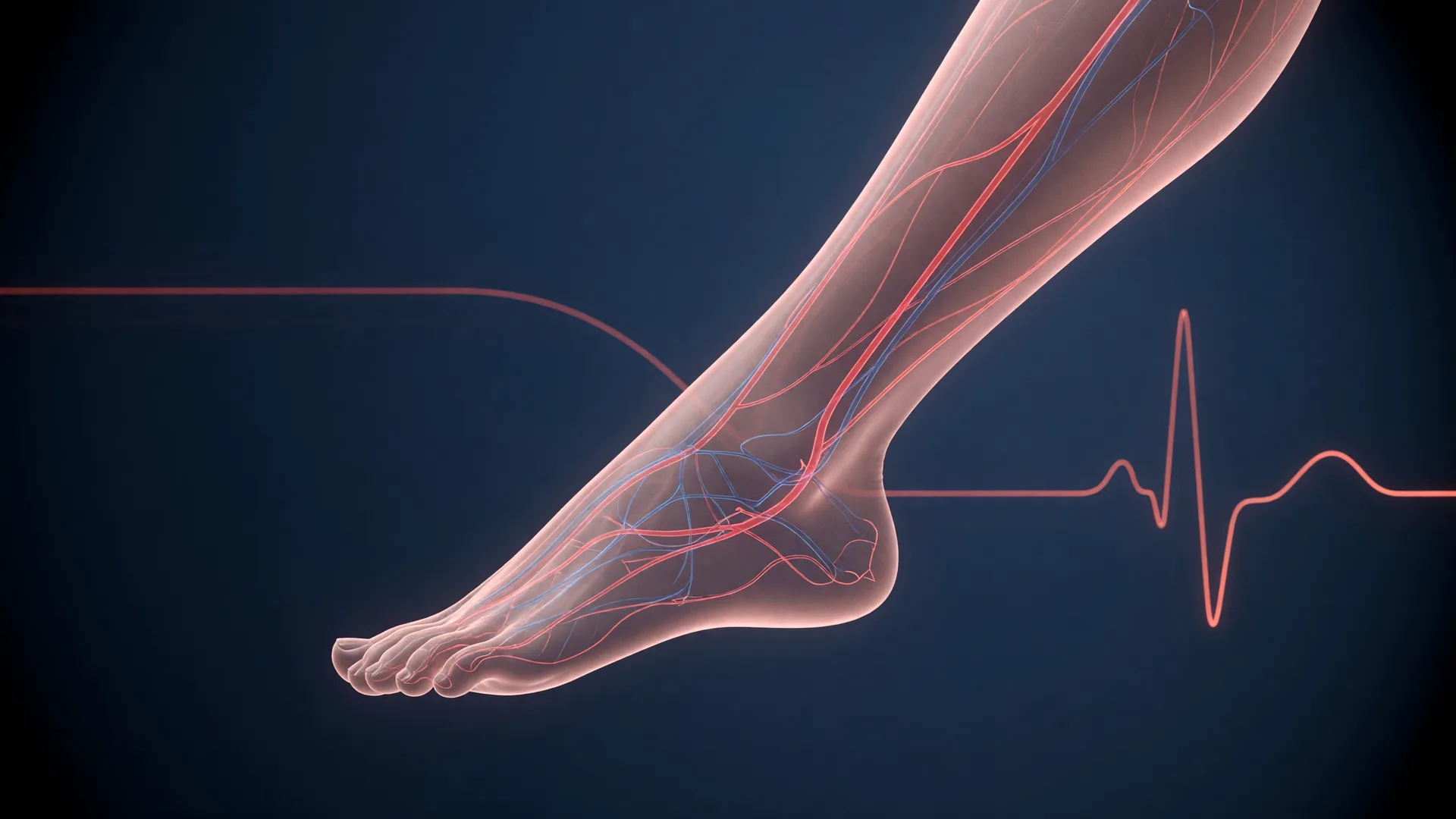
Yes, regular physical activity is one of the most effective ways to support healthy blood pressure and circulation. Research from the CDC and the American Heart Association shows that consistent movement helps lower blood pressure and supports the way blood flows through the body.
Key Points
- A single session of moderate activity can lower blood pressure right away
- About 150 minutes of moderate activity a week is a common target
- Regular movement supports circulation, heart health and weight management
- Non-invasive therapies can offer additional circulation support
- Talk with a clinician about what fits your health history
How Movement Supports Blood Pressure
The CDC reports that a single session of moderate-to-vigorous physical activity can lower blood pressure immediately. Over time, getting at least 150 minutes a week of moderate activity lowers the risk of heart disease and stroke and helps prevent high blood pressure by supporting a healthy weight.
The benefit is not just about numbers. A stronger heart pumps blood more efficiently, which supports healthy circulation throughout the body.
What the Research Shows
The American Heart Association recommends at least 150 minutes of moderate-intensity aerobic activity per week and notes that regular exercise helps control blood pressure, manage weight and strengthen the heart.
A 2021 AHA scientific statement described physical activity as a critical first-line component of treatment for elevated blood pressure or cholesterol, citing strong evidence for a blood pressure lowering effect.
The takeaway is simple and well supported: consistent movement is one of the most reliable ways to support blood pressure and circulation, alongside a healthy diet and good sleep.
Circulation Support Beyond Exercise
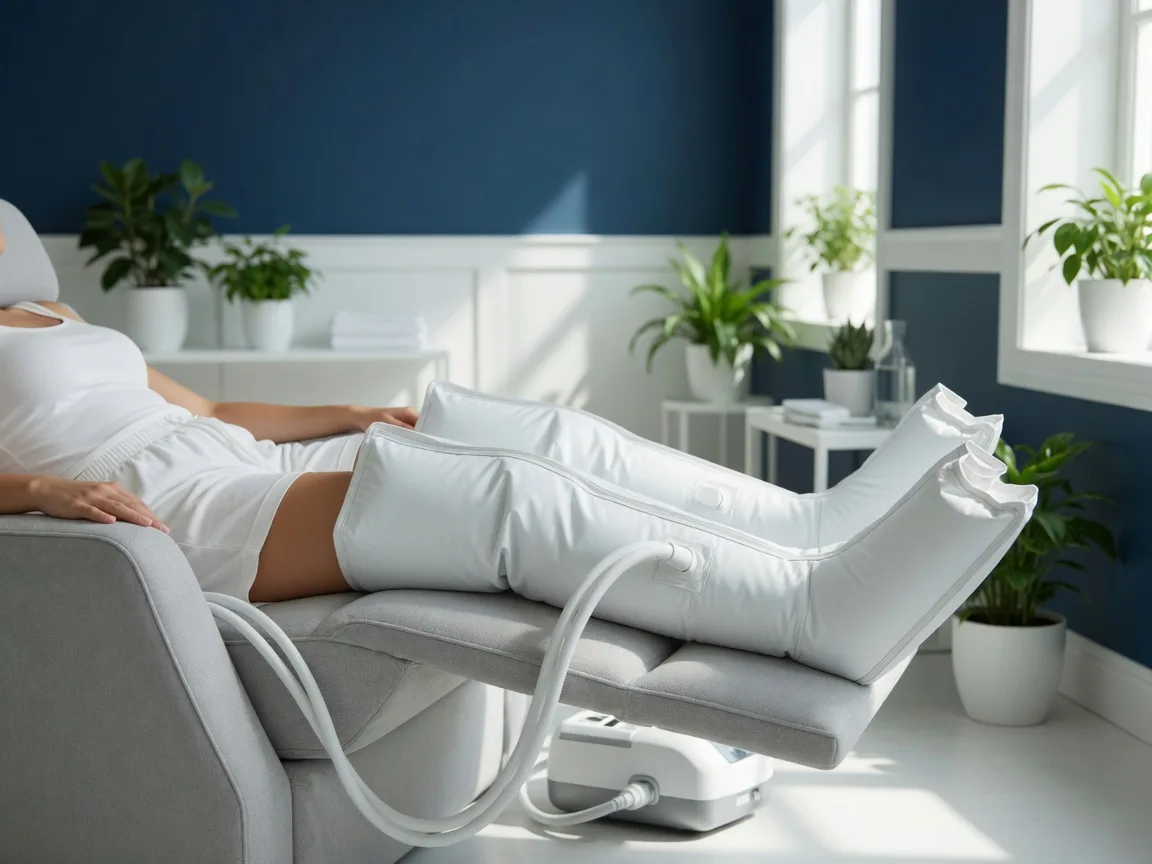
For some people, non-invasive therapies can complement an active lifestyle. Thrive EECP offers circulation-focused options, including Enhanced External Counterpulsation (EECP), dynamic compression therapy and red light therapy, each designed to support blood flow and recovery in different ways.
These therapies are not substitutes for medical care or exercise, and they are not right for everyone. An evaluation with a qualified professional is the correct first step to see what may be appropriate for you.
Where to Start in Draper
Thrive EECP is located at 1111 East Draper Parkway, Draper, UT 84020, and serves patients from Sandy, South Jordan, Riverton, Herriman, Cottonwood Heights, Midvale, Murray, Lehi, Alpine, Highland, American Fork and the surrounding area.
To learn whether a circulation-focused program fits your goals, request a free consultation or call 385-330-0358 to speak with the team.
Sources & References
Independent, authoritative sources used in this article, linked so you can verify the details yourself. Information here is educational and not a substitute for medical advice.
Want to Explore This Further?
This article is part of the Thrive EECP Health Library in Draper, Utah. If the topic above sounds relevant to you, the next step is a free, no-pressure conversation about your goals.
About the Author
This article was authored and curated by Phil Kim for the Thrive EECP Health Library, with content guidance from the Thrive team. It is educational information, not medical advice, and does not create a patient relationship. Always consult a qualified healthcare professional about your health.