Cold Hands and Feet: When to Take Circulation Seriously
Cold hands and feet are often just your body's normal response to cold weather, but persistent coldness in warm environments can signal an underlying circulation issue. If coldness comes with color changes, numbness, or leg pain when walking, it deserves a conversation with a qualified professional.

Key Points
- Cold extremities are often normal, especially in cold weather
- Persistent coldness plus color changes or numbness deserves a check
- Leg pain or cramping with walking can be a sign of peripheral artery disease
- Up to 4 in 10 people with PAD have no leg pain at all
- An evaluation can clarify whether circulation support makes sense for you
Why Are My Hands and Feet Always Cold?
Cold hands and feet are usually a normal response: when your body is cold, it narrows blood vessels in the extremities to keep warmth at your core. That is why fingers and toes get cold first.
But when hands and feet stay cold even in warm environments, or when coldness comes with other symptoms, it can point to conditions worth evaluating, including Raynaud's phenomenon, anemia, thyroid issues, diabetes-related nerve changes, or narrowed arteries from peripheral artery disease (PAD).
What Is Peripheral Artery Disease?
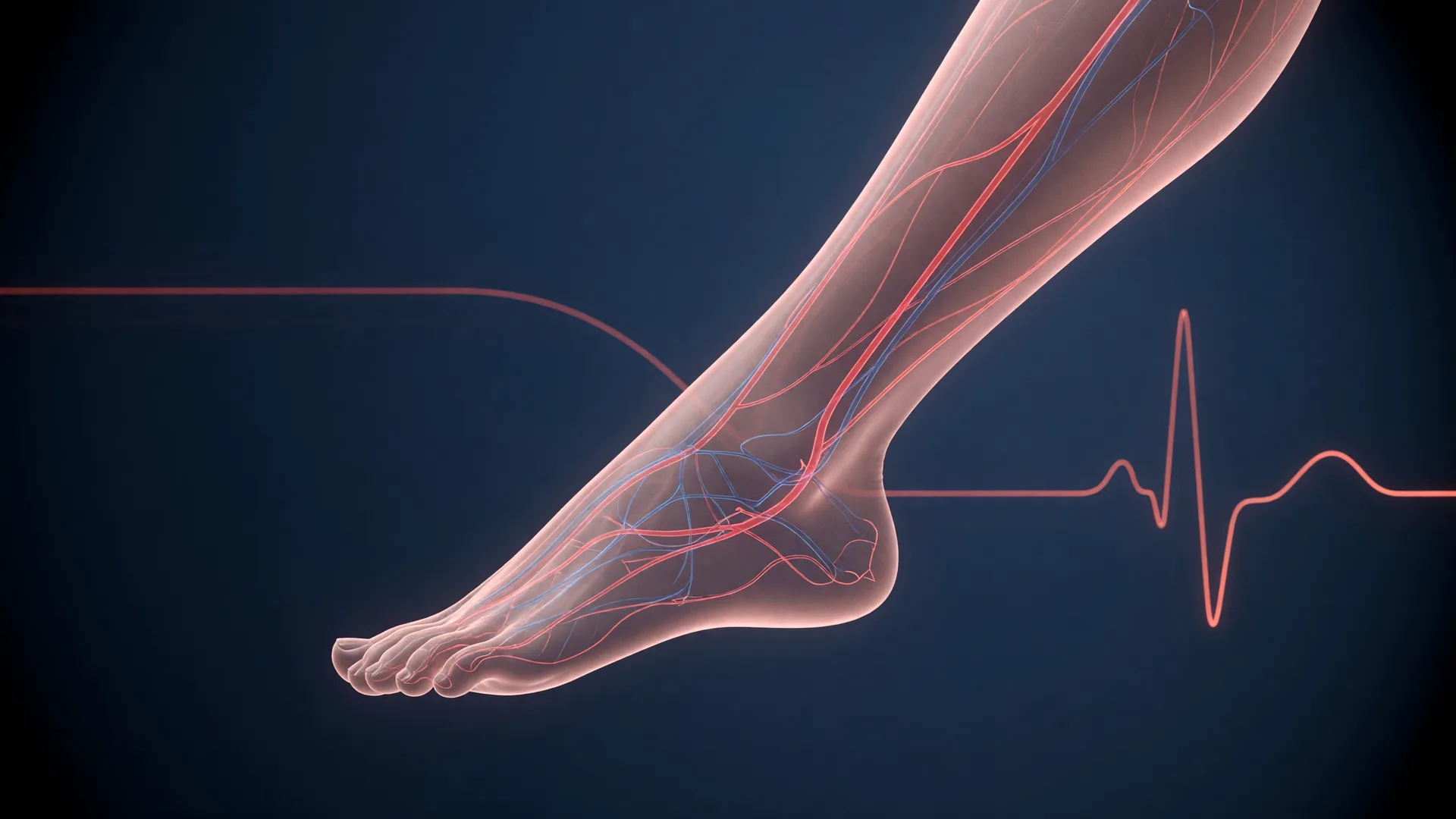
PAD is a condition in which narrowed arteries, most often from plaque buildup, reduce blood flow to the limbs, usually the legs. It is common: the CDC notes that up to 4 in 10 people with PAD have no leg pain at all, which is why it often goes undetected.
Risk is higher in people who smoke, are older, or have diabetes, high blood pressure or high cholesterol. If any of those apply to you, circulation symptoms deserve more attention, not less.
What Are the Warning Signs to Watch For?
The classic warning sign is claudication: pain, aching, cramping or heaviness in the legs, often the calf, that comes on with walking or stairs and eases with rest. Other signs include feet that feel cold to the touch, numbness or weakness in the legs, hair loss on the legs, shiny skin, slow-growing toenails, and sores on the feet that are slow to heal.
Color changes in the fingers or toes, such as turning white, blue or purple, can point to Raynaud's phenomenon, where small blood vessels spasm in response to cold or stress.
When Should You See a Professional?
Mayo Clinic and other authorities recommend a medical evaluation if your hands or feet are constantly cold even in warm environments, or if you notice color changes, numbness, tingling, open sores, or leg pain when walking. These symptoms can signal circulation problems that benefit from early attention.
At Thrive EECP in Draper, circulation is our focus. A neuropathy or circulation consultation includes an evaluation and treatment planning, and the clinic offers non-invasive options like EECP, compression therapy and red light therapy designed to support blood flow.
Where to Get a Circulation Check in Utah
Thrive EECP is located at 1111 East Draper Parkway, Draper, UT 84020, and serves patients from Sandy, South Jordan, Riverton, Herriman, Cottonwood Heights, Midvale, Murray, Lehi, Alpine, Highland and American Fork. To discuss your symptoms, call 385-330-0358 or request a free consultation.
Sources & References
Independent, authoritative sources used in this article, linked so you can verify the details yourself. Information here is educational and not a substitute for medical advice.
Want to Explore This Further?
This article is part of the Thrive EECP Health Library in Draper, Utah. If the topic above sounds relevant to you, the next step is a free, no-pressure conversation about your goals.
About the Author
This article was authored and curated by Phil Kim for the Thrive EECP Health Library, with content guidance from the Thrive team. It is educational information, not medical advice, and does not create a patient relationship. Always consult a qualified healthcare professional about your health.