Energy and Circulation: Is Blood Flow Part of Your Fatigue Story?
Fatigue is one of the most common reasons adults see a health professional, and blood flow is a genuine part of the story for some of them. Blood delivers the oxygen and nutrients your muscles and brain need to work, so when circulation is reduced, energy can suffer. Here is the connection, explained honestly.

Key Points
- Blood flow delivers the oxygen and nutrients that fuel muscles and organs
- Reduced circulation can contribute to tired, heavy or aching legs during activity
- Fatigue has many causes, and circulation is only one piece
- Exertion-related leg tiredness is a recognized reason to seek evaluation
- A professional assessment can separate circulation issues from other causes
The Oxygen Connection
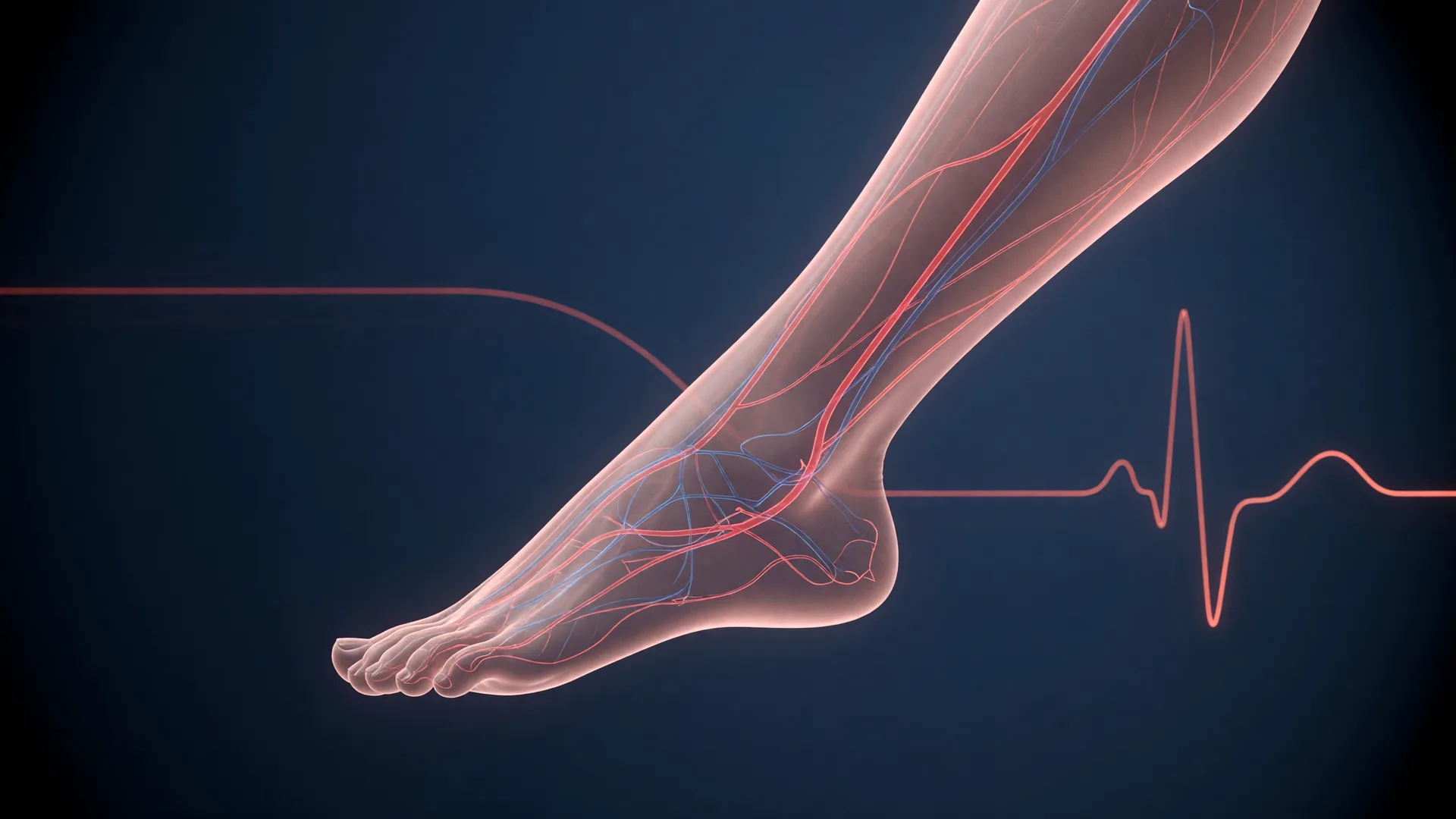
Every cell that produces energy needs oxygen and fuel, and both arrive through blood flow. When circulation is reduced, working muscles may not get the oxygen they need, and they tire more quickly. This is most obvious during activity, when demand is highest.
For example, in peripheral artery disease, narrowed arteries limit blood to the leg muscles, and the classic symptom is a tired, aching or cramping feeling in the legs during walking that eases with rest.
Not All Fatigue Is Circulation
Fatigue can come from sleep, nutrition, stress, medication, thyroid function, anemia, inactivity or other medical conditions. Jumping to a single explanation is exactly the mistake that leaves people stuck.
That is why the useful step is not self-diagnosis but a conversation with a qualified professional who can look at the whole picture.
Signs Worth Taking Seriously
Leg tiredness or aching that comes on with walking and disappears with rest, cold or pale feet, slow-healing sores, and a reduced ability to exercise are all worth discussing with a healthcare professional.
These signs do not prove a circulation problem on their own, but they deserve an evaluation rather than being shrugged off as just getting older.
What Thrive Offers
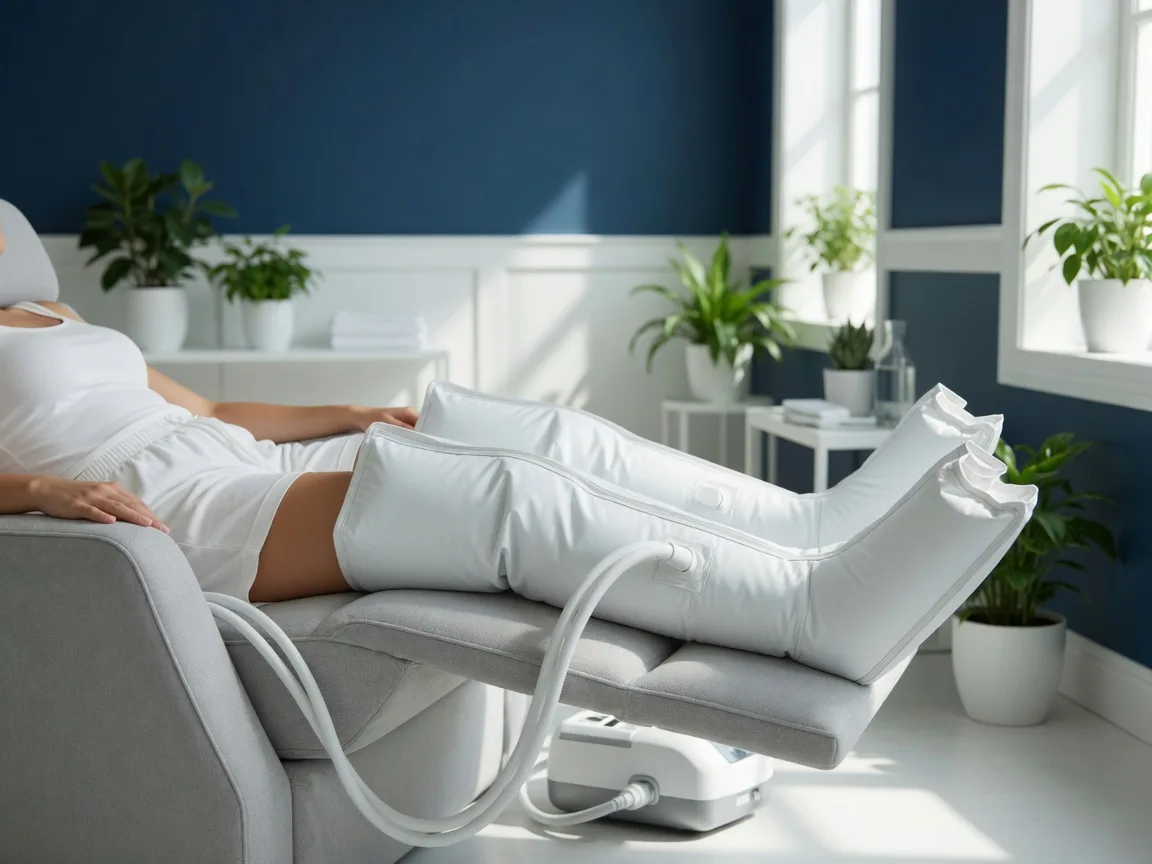
Thrive EECP in Draper offers non-invasive circulation support programs, including EECP, compression therapy and related wellness technologies, for adults who want to understand and support their circulatory health.
The first step is the same as it should be everywhere: a free consultation to review your history, discuss your symptoms and work out what is actually going on. This information is educational, not a substitute for medical advice, and anyone with concerns should start with their doctor.
Sources & References
Independent, authoritative sources used in this article, linked so you can verify the details yourself. Information here is educational and not a substitute for medical advice.
Want to Explore This Further?
This article is part of the Thrive EECP Health Library in Draper, Utah. If the topic above sounds relevant to you, the next step is a free, no-pressure conversation about your goals.
About the Author
This article was authored and curated by Phil Kim for the Thrive EECP Health Library, with content guidance from the Thrive team. It is educational information, not medical advice, and does not create a patient relationship. Always consult a qualified healthcare professional about your health.