Cold Weather and Circulation: How Utah Winters Affect Your Body
Cold weather constricts blood vessels across the body, which raises blood pressure and makes the heart work harder. The American Heart Association links cold snaps to a higher risk of heart attack and stroke, especially during exertion like shoveling snow. In Utah, where winters are long and active, layering up, pacing exertion and keeping circulation on your radar can make a real difference.

Key Points
- Cold air constricts blood vessels and can raise blood pressure
- Snow shoveling combines cold air with sudden exertion, a known heart risk
- The AHA recommends layers, frequent breaks and knowing heart warning signs
- People with existing heart conditions should be extra cautious in winter
- In-clinic wellness therapies offer indoor options through the cold months
What Does Cold Weather Do to Circulation?
The American Heart Association explains that cold temperatures constrict blood vessels throughout the body and tighten coronary arteries, raising blood pressure and increasing the workload on the heart. Research featured by the AHA found systolic blood pressure tends to rise in winter compared with summer.
For healthy adults this is usually manageable with common sense, not panic. For people with existing heart disease, high blood pressure, diabetes or vascular risk factors, cold exposure deserves more care, because the same response raises the stakes.
Why Snow Shoveling Is Risky for the Heart
Shoveling combines cold air, arm-dominant work and sudden bursts of lifting, a combination the AHA flags as a trigger for heart-related emergencies in winter. Lifting heavy loads can spike heart rate and blood pressure quickly, and arm work is harder on the heart than leg work.
The AHA guidance is practical: pace yourself, take frequent breaks, use a small shovel, push snow instead of lifting it, and ask someone else to handle the task if you have heart disease, high blood pressure or are not physically fit. If you experience chest discomfort, shortness of breath, lightheadedness or other warning signs, call 9-1-1 instead of driving yourself.
How to Stay Heart-Healthy Through a Utah Winter
Bundle in layers and keep your ears, hands and feet warm, because extremities are where cold takes the fastest toll on circulation. Warm up indoors before heading out for activity, stay hydrated, and keep outdoor sessions shorter when temperatures drop.
Know the warning signs: chest discomfort, pain spreading to the arm or jaw, shortness of breath, cold sweat, nausea or lightheadedness. If you have a chronic condition, a conversation with your doctor about cold weather activity is worth having before the first snow, not after.
When Circulation Symptoms Deserve Attention in Winter
Cold hands and feet are normal in a Utah winter, but persistent color changes, numbness, pain with walking that eases with rest, or slow-healing sores are not automatically seasonal. Those signs can point to circulation conditions such as peripheral artery disease that deserve a professional evaluation.
Winter is also a common time for people to notice they are moving less and recovering slower. If your circulation, energy and recovery goals stall in the cold months, an indoor option exists close to home.
Indoor Circulation Options in Draper
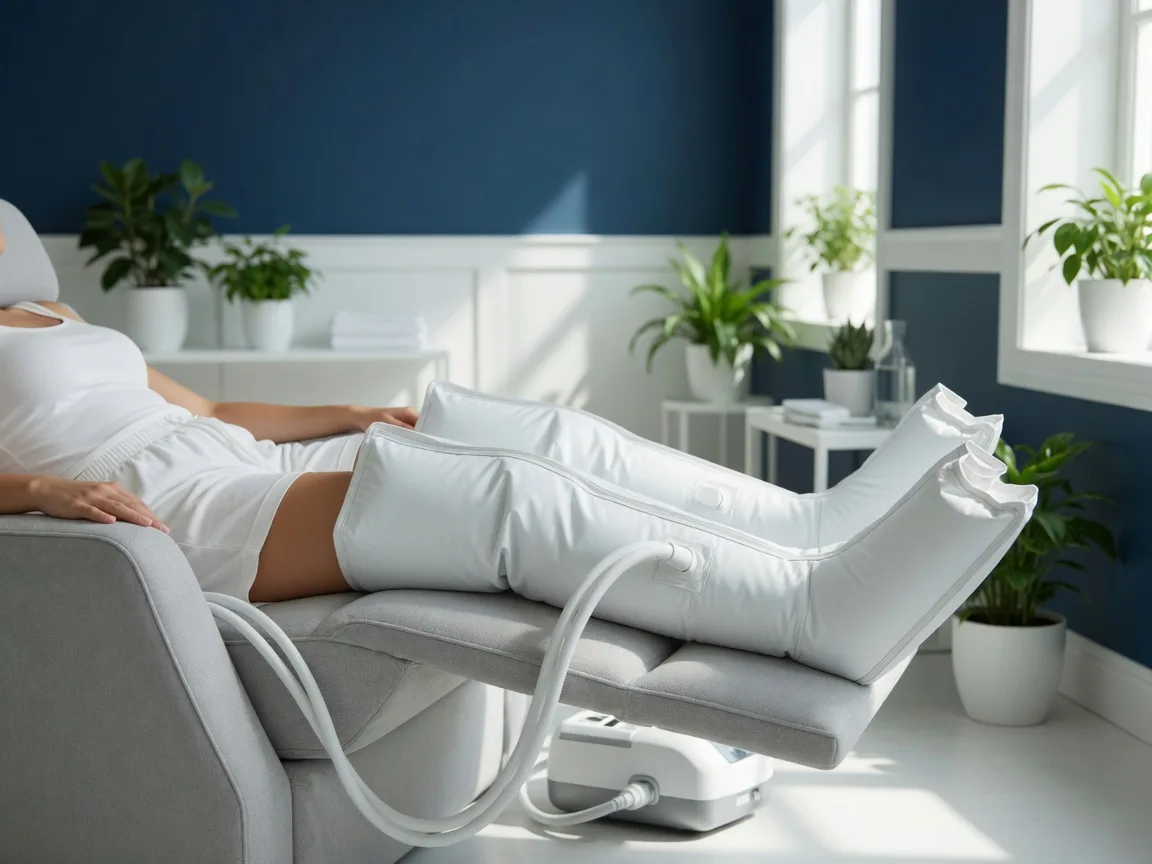
Thrive EECP, at 1111 East Draper Parkway, Draper, UT 84020, offers non-invasive circulation and recovery therapies that work indoors, regardless of forecast. Circulation programs, recovery therapy and health optimization are available in-clinic year-round.
If you want to make this winter the one where you protect your heart, support your circulation and keep recovery on track, the next step is a free consultation. Call 385-330-0358 or request a free consultation online; the team at Thrive serves Draper and the surrounding South Salt Lake Valley and northern Utah County communities.
Sources & References
Independent, authoritative sources used in this article, linked so you can verify the details yourself. Information here is educational and not a substitute for medical advice.
Want to Explore This Further?
This article is part of the Thrive EECP Health Library in Draper, Utah. If the topic above sounds relevant to you, the next step is a free, no-pressure conversation about your goals.
About the Author
This article was authored and curated by Phil Kim for the Thrive EECP Health Library, with content guidance from the Thrive team. It is educational information, not medical advice, and does not create a patient relationship. Always consult a qualified healthcare professional about your health.