Sitting All Day and Circulation: What Happens and What to Do About It
Yes, sitting for long stretches measurably affects your leg circulation. Research shows that prolonged, uninterrupted sitting reduces blood flow and blood vessel function in the lower limbs, and even aerobically fit people are not fully protected. The good news is that short, regular breaks help.
Key Points
- Long sitting reduces blood flow and vessel function in the legs
- Even fit people show impaired circulation after prolonged sitting
- Walking five minutes every 30 minutes supports blood pressure and blood sugar
- Calf muscle contractions help return blood to the heart
- Regular breaks are a simple, evidence-backed habit
What Sitting Does to Your Legs
When you sit for hours, the calf muscle pump that normally helps push blood back toward the heart goes quiet, and blood flow to the lower limbs slows. Researchers have described this as sitting leg vasculopathy, a pattern of reduced blood flow, lower shear stress on vessel walls and impaired vessel function.
A controlled study of eight hours of constant sitting found measurable fluid retention, with calf circumference increasing about 2.4 percent, alongside reduced arterial blood flow and muscle microcirculation. The effects are physical, not imagined.
Fitness Does Not Fully Protect You
You might assume that being aerobically fit cancels out a desk job, but research found otherwise. A Virginia Commonwealth University study showed that even people with good cardiovascular fitness showed impaired lower-limb circulation after prolonged sitting. Fitness is valuable, but it does not replace the need to interrupt sitting.
The pattern matters: what hurts is uninterrupted sitting, and what helps is breaking it up.
Breaks That Actually Help
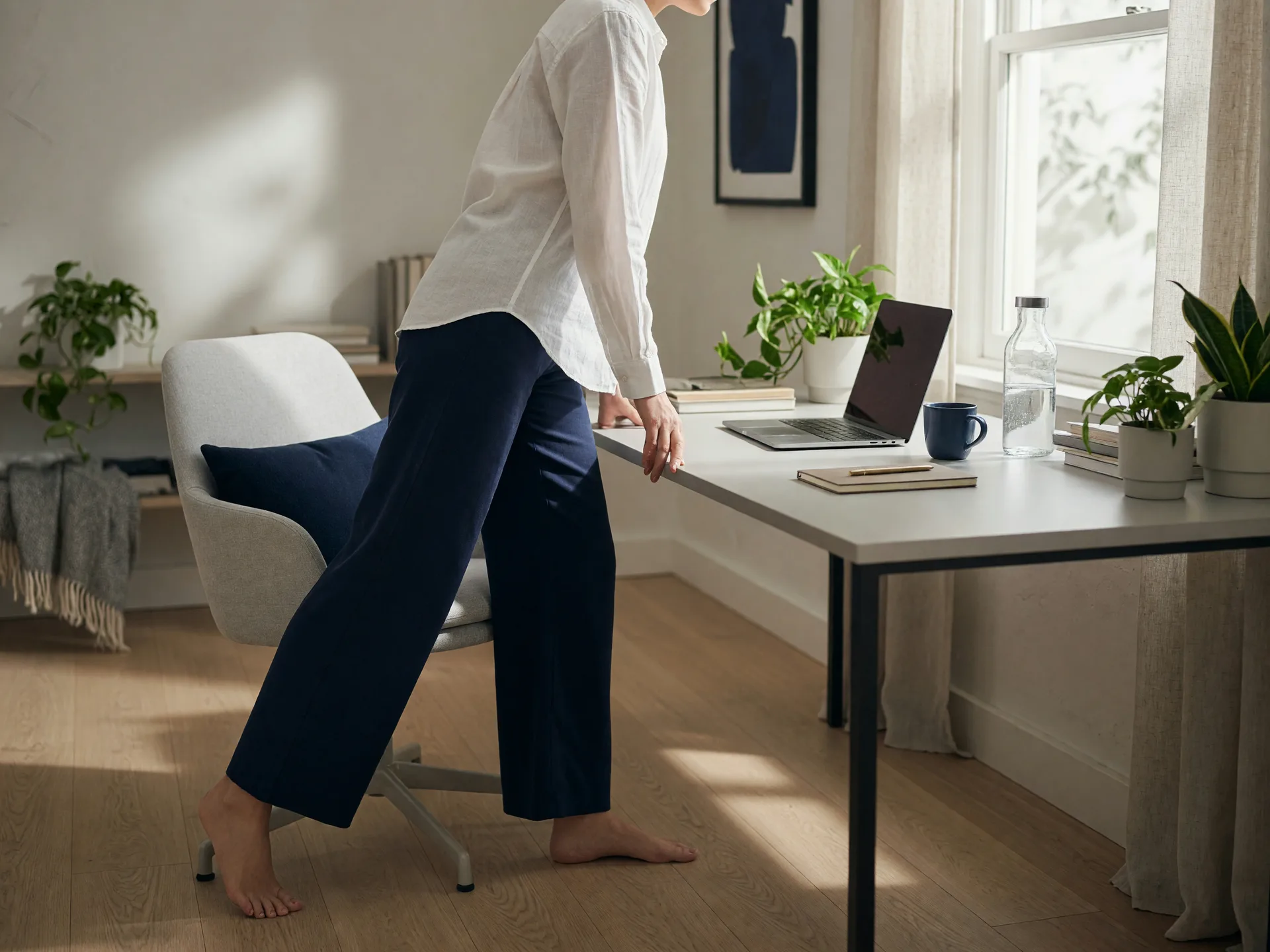
A randomized trial from Columbia University found that walking for five minutes every 30 minutes offset many of the harmful effects of prolonged sitting on blood pressure and blood sugar. For many desk schedules, even a two-minute walk or a few minutes of light movement each half hour made a difference in studies.
When you cannot step away, in-chair movement still helps: ankle pumps and circles, seated marching and calf raises all activate the calf muscle pump and move blood through the lower legs. Standing up at regular intervals adds to that.
What This Means for Your Wellness Routine
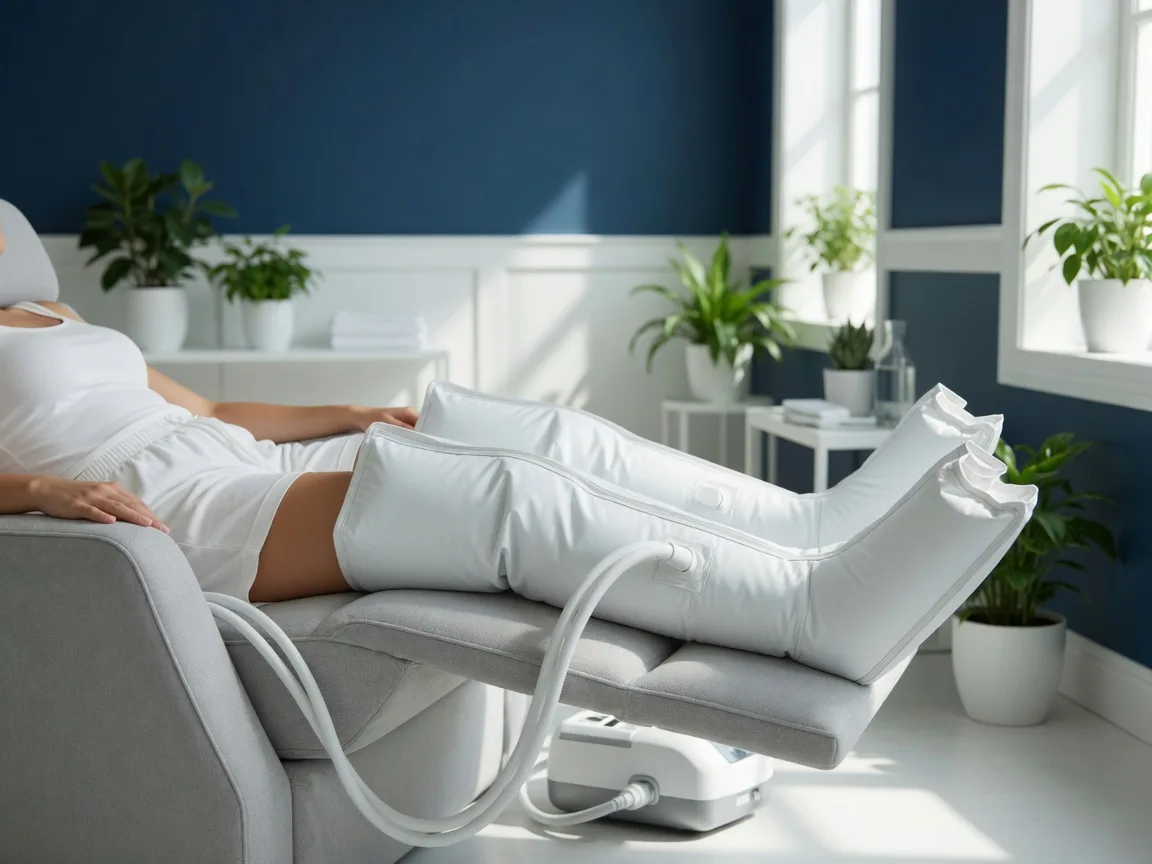
Movement breaks are the foundation, but they are not the only lever for circulation. Thrive EECP in Draper offers non-invasive circulation options, including EECP and dynamic compression therapy, that can be part of a broader plan for people who want more support.
For adults in Draper, Sandy, South Jordan and the surrounding South Salt Lake Valley and northern Utah County communities, the next step can start with a free consultation to talk about circulation, energy and recovery goals.
Sources & References
Independent, authoritative sources used in this article, linked so you can verify the details yourself. Information here is educational and not a substitute for medical advice.
Want to Explore This Further?
This article is part of the Thrive EECP Health Library in Draper, Utah. If the topic above sounds relevant to you, the next step is a free, no-pressure conversation about your goals.
About the Author
This article was authored and curated by Phil Kim for the Thrive EECP Health Library, with content guidance from the Thrive team. It is educational information, not medical advice, and does not create a patient relationship. Always consult a qualified healthcare professional about your health.